Record Vessel Traffic in Strait of Hormuz Signals Easing Energy Supply Risks for Africa’s Fuel Importers
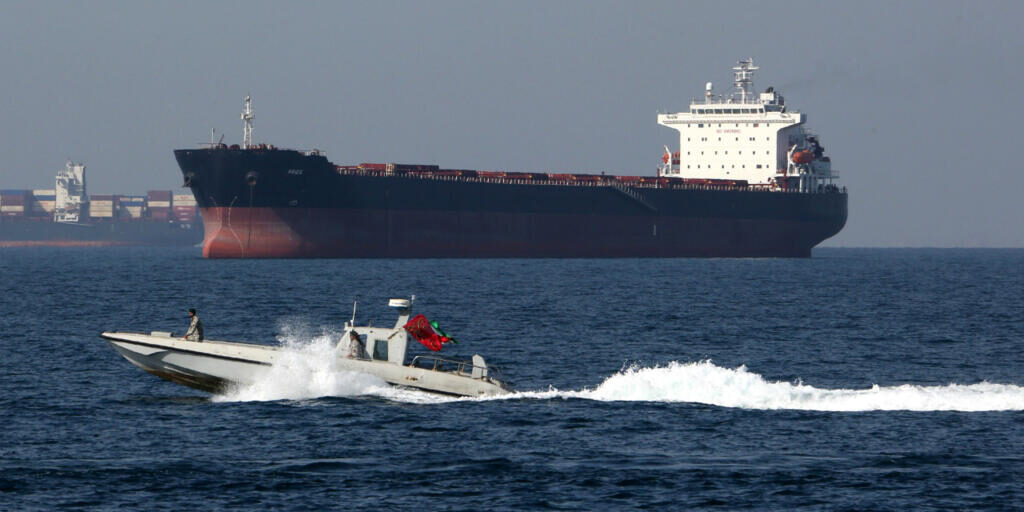
Shipping activity through the Strait of Hormuz has surged to its highest level since recent conflict disrupted operations in one of the world’s most critical energy corridors, offering potential relief for African economies heavily reliant on imported fuel.
According to vessel tracking data from S&P Global Market Intelligence and S&P Global Commodities at Sea, 78 vessels transited the strait on 24 June, including 22 oil and chemical tankers.
This marks the busiest single-day movement recorded since the onset of regional hostilities.
The increase lifted total traffic for June to 551 vessel crossings, surpassing the previous post-disruption monthly high of 438 recorded in April.
Analysts attribute the recovery in part to the introduction of a new maritime safety corridor along the Omani coastline, which has helped restore confidence among shipping operators.
Gradual recovery in a key global energy route
The Strait of Hormuz remains the world’s most important oil transit chokepoint, handling a significant share of global crude oil, refined petroleum products, and liquefied petroleum gas exports from Gulf producers including Saudi Arabia, the United Arab Emirates, Kuwait, Iraq, and Qatar.
The latest data indicates that shipping volumes on 24 June reached approximately 57% of pre-conflict daily levels. More than 40% of the vessels that day 33 ships in total used the newly established Omani safety corridor, with most travelling outbound toward international markets.
S&P Global noted that the movement of vessels suggests early signs of normalisation in commercial shipping patterns, as ships that had been delayed within the Gulf begin to complete voyages and exit through the strait.
The 78 transits included a mix of vessel types: oil and chemical tankers, bulk carriers, container ships, and liquefied gas carriers.
Of the oil-related traffic, 10 crude tankers passed through the waterway, including Very Large Crude Carriers (VLCCs) and Suezmax vessels operating in both inbound and outbound directions.
Implications for African fuel-importing economies
For many African countries that rely on imported petroleum products from the Gulf region, the recovery in shipping activity is significant.
A large proportion of Africa’s crude oil, refined fuels, and liquefied petroleum gas imports originate from producers that depend on uninterrupted access through the Strait of Hormuz. Any disruption to this route typically leads to higher freight costs, increased insurance premiums, and upward pressure on domestic fuel prices.
The rebound in vessel traffic reduces the likelihood of sustained supply disruptions and may help ease some of the geopolitical risk premiums that influence global energy pricing during periods of uncertainty.
For African governments already facing inflationary pressures linked to energy costs, improved stability in the shipping corridor could provide some relief in fuel import planning and budgeting.
Cautious outlook despite recovery
Despite the improved flow of maritime traffic, analysts caution that conditions remain fragile. Some vessels are still navigating close to Iranian territorial waters, while a small number have been detected without active tracking signals while transiting the strait.
These factors indicate that full normalisation of shipping operations has not yet been achieved, and that stability in the corridor will depend on sustained security assurances and consistent maritime coordination.
Broader energy market context
The Strait of Hormuz plays a central role in global energy trade, and fluctuations in its stability have direct implications for international oil prices and supply chains.
A sustained recovery in traffic volumes could help improve global fuel distribution flows and reduce short-term volatility in energy markets.
This would also benefit emerging suppliers and refiners outside the Gulf region, including African producers and processors seeking to expand their role in regional fuel supply chains.
While uncertainty remains, the recent surge in vessel movements represents the clearest indication yet that one of the world’s most strategically important energy corridors is gradually returning to more stable operating conditions.