Nigeria Targets $10.7 Billion in Modular Refinery Investment to Expand Refining Capacity
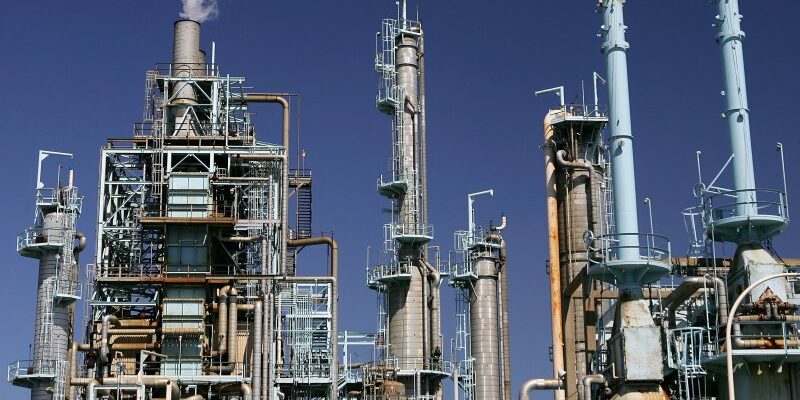
Nigeria is emerging as a global hotspot for refinery development, with $10.74 billion in modular refinery investments expected to be deployed between 2026 and 2030 as the country accelerates efforts to expand domestic fuel production.
According to Industrial Info Resources (IIR), Nigeria is expected to lead the world in new refinery construction during the period, with 24 grassroots refinery projects currently planned to come on stream before 2031.
The pipeline puts Nigeria ahead of the United States and Iran, which each have 11 projects under development.
The projected investment marks a significant expansion of Nigeria’s refining ambitions. The country has historically relied heavily on imported petroleum products despite its substantial crude oil resources, making the development of domestic refining capacity a key component of its energy strategy.
The growing pipeline of modular facilities could help change that dynamic by increasing the volume of locally processed crude and strengthening the country’s ability to meet domestic fuel demand.
Modular refineries are particularly attractive to investors because they can generally be developed at a smaller scale and with lower upfront capital requirements than large conventional refineries.
Their expansion could also support greater participation by indigenous operators and create new opportunities across Nigeria’s downstream oil and gas value chain.
The investment drive comes as Nigeria’s refining landscape undergoes a major transformation.
The 650,000-barrel-per-day Dangote Refinery has become a major source of refined petroleum products, while other projects are adding to the country’s processing capacity.
Dangote is also pursuing further expansion, underscoring the scale of Nigeria’s ambitions for becoming a major refining hub.
Beyond improving fuel security, the development of new refineries could generate wider economic benefits through job creation, local content development, crude processing, logistics and associated industrial activity.
However, delivering the full $10.74 billion pipeline will depend on access to finance, reliable crude supply, infrastructure and a stable regulatory environment.
Ensuring that licensed projects progress from development to actual production will be critical to translating Nigeria’s refinery ambitions into lasting energy security.
If the planned projects are delivered, Nigeria could significantly strengthen its domestic refining base by the end of the decade, reducing exposure to imported fuels while positioning the country as a more competitive refining and petroleum-products hub for West Africa.