Chevron Targets Argentina, Mediterranean and India in Global LNG Expansion
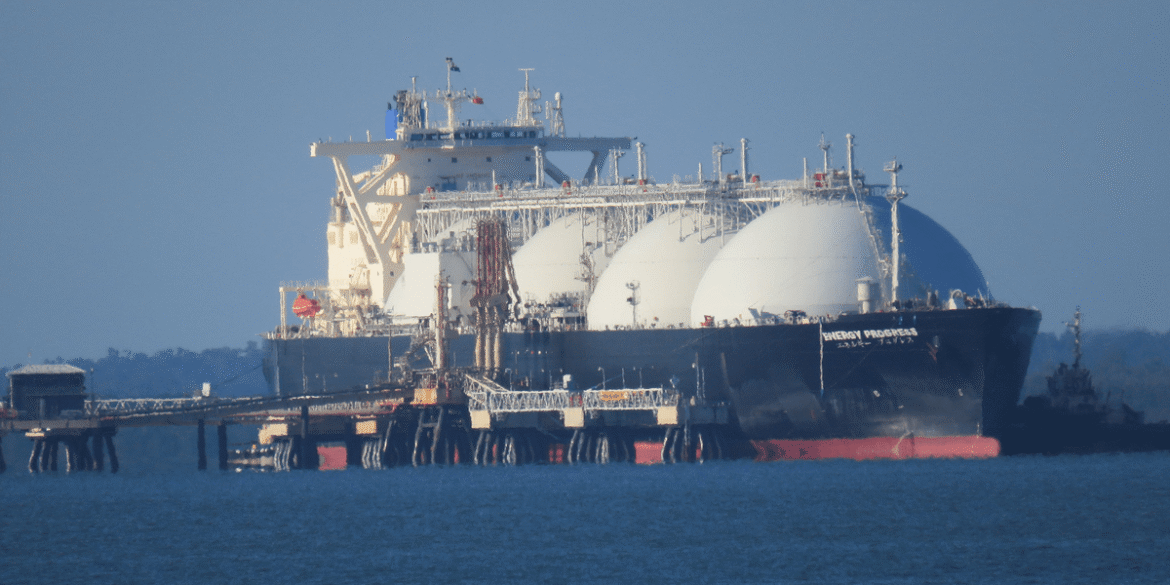
Chevron is looking to expand its global liquefied natural gas (LNG) portfolio, with Argentina and the eastern Mediterranean emerging as key areas of potential growth as countries seek greater security and diversity of energy supplies.
Freeman Shaheen, President of Global Gas at Chevron, said recent geopolitical disruptions had highlighted the importance of diversifying LNG sources and contracting structures.
Chevron expects to have about 20-million tonnes a year of LNG supply capacity, including around 16-million tonnes of net production from its projects and 4-million tonnes contracted from the US Gulf Coast.
Argentina offers significant potential as its oil and gas industry develops, while Chevron also sees opportunities in the eastern Mediterranean, Australia and Africa.
However, the company will prioritise projects offering attractive capital requirements and favourable fiscal and regulatory conditions.
In June, Chevron secured approval to operate and lead gas exploration on an offshore block in Greece, strengthening its position in the eastern Mediterranean.
The company is also assessing further investment opportunities in Venezuela, where Chevron and its partners plan to invest more than $7-billion to more than double oil production by 2031.
Chevron already has a major LNG presence in Australia through its Gorgon and Wheatstone projects, while Japan remains an important market for its Australian supply. The company is also pursuing opportunities in Singapore, China and South Korea.
India remains an opportunity
India is another potential growth market as LNG demand rises. Shaheen said Chevron would welcome a supply agreement with the country, although price sensitivity remains a challenge.
He said Chevron expects LNG buyers to increasingly seek flexible supply arrangements and diversify their sources rather than rely solely on government-to-government agreements.
For Chevron, this growing demand for supply security and flexibility could create further opportunities as global LNG markets adapt to geopolitical and energy-market uncertainty.