Kenya Raises Bond Fee for Ugandan Fuel Imports, Impacting Prices

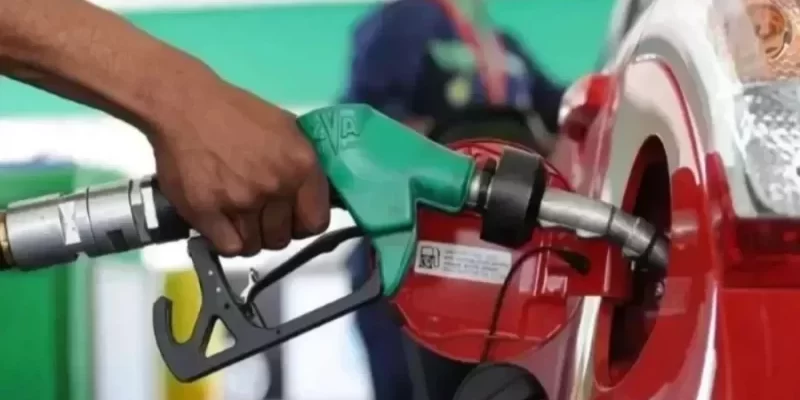
Kenya has increased the bond fee for fuel consignments destined for Uganda from $15 million to $45 million at the VTTI facility in Mombasa. This higher bond fee is expected to impact Uganda’s direct fuel import scheme, potentially making fuel more expensive for Ugandan consumers. Both Kenya and Uganda already have the highest fuel prices in East Africa, with Uganda relying on direct importation to mitigate costs. Currently, a litre of diesel costs $1.37 in

Loading

Read More Here

Uganda Sees Significant Revenue Boost from Oil Sector Taxation

As Uganda edges closer to becoming an oil-producing nation, activities related to the oil sector have intensified, including the taxation of oil and associated goods. According to a recent report by Accountant General Lawrence Semakula, these levies have significantly contributed to the country’s overall revenue. The Ugandan newspaper, The Monitor, reported that Uganda generated an additional Shs44 billion from oil tax revenues during the financial year ending June 30, 2023. The Petroleum Fund Report for

Loading

Read More Here

Oando Energy Resources Advocates for Strategic Exploitation of Nigeria’s Crude Oil Reserves

Oando Energy Resources has urged Nigeria to actively extract its abundant crude oil reserves to drive socio-economic development and industrialization, despite global pressures for an energy transition. In addition, the company emphasized the importance of utilizing Nigeria’s vast proven and unproven natural gas reserves, which amount to hundreds of trillion cubic feet (tcf), to support sustainable development. Dr. Ainojie Irune, the Executive Director of Oando Plc and Chief Operating Officer of Oando Energy Resources, made

Loading

Read More Here

TotalEnergies to Withdraw from South Africa’s 11B/12B Offshore Gas Field

TotalEnergies has notified South Africa’s petroleum regulator of its intention to withdraw from the 11B/12B offshore gas field. In 2019, TotalEnergies discovered two significant gas deposits in Block 11B and 12B off the southern coast of South Africa. The decision to withdraw is a significant setback for the country, which had hoped to utilize the gas to supply the dormant national gas-to-liquid refinery in Mossel Bay. Negotiations over gas pricing have stalled for years, while

Loading

Read More Here

Shell Seeks Approval for Drilling Project Off South Africa’s Western Coast

Shell is pursuing government authorization for a new drilling project off the western shores of South Africa. According to a draft scoping report from environmental consultancy SLR, Shell plans to drill up to five wells in the region. The company aims to carry out exploration and appraisal activities as oil companies shift their focus south of Namibia, where recent discoveries in the Orange Basin promise further potential finds. The Orange Basin, extending into South African

Loading

Read More Here

Dangote Refinery Boosts West African Gasoil Exports, Challenges European Market

Nigeria’s new Dangote oil refinery is significantly increasing gasoil exports to West Africa, capturing market share from European refiners, according to traders and shipping data. Constructed at a cost of $20 billion by Africa’s richest man, Aliko Dangote, on the outskirts of Lagos, the refinery is currently producing a lower grade of gasoil than anticipated. This is due to awaiting the restart of units necessary for producing cleaner fuels, prompting the refinery to seek buyers

Loading

Read More Here

EITI Enhances Resource Management in Angola and Mozambique

The Extractive Industry Transparency Initiative (EITI) is considered a crucial framework adaptable to social contexts to ensure effective resource management, according to experts at a sector meeting held on Thursday in Maputo. This initiative aims to enhance service quality and implement transparency requirements in the extractive industries of Angola and Mozambique. By adopting these measures, countries can improve their performance and prepare comprehensive future reports on resource management. The event brought together various stakeholders, including

Loading

Read More Here

Sonangol Expands LPG Production to Meet Growing Demand

Between January and May, Angola consumed a total of 201,133 metric tons of cooking gas (LPG), with projections forecasting growth to 615 to 680 metric tons. This increase is due to significant investments made by Sonangol to expand production across the entire national territory. These statistics are detailed in a report by Sonagás, a subsidiary of Sonangol specializing in the distribution of cooking gas. For the 2024 economic year, the report projects a consumption deficit

Loading

Read More Here

Gemcorp Reports 60% Completion of Cabinda Refinery

Two senior officials from Gemcorp recently announced in an interview with African Energy that construction at the Cabinda Refinery is 60 percent complete. The first phase, with a processing capacity of 30,000 barrels per day (b/d), is expected to be commissioned in November, with crude oil processing slated to begin in February 2025. The Cabinda Refinery is a key part of Angola’s strategy to optimize its mineral resources by transforming crude oil into products for

Loading

Read More Here

Angola’s Renewable Energy Transformation Highlighted at CPLP Seminar

Ninety-one percent of the energy consumed in Angola comes from renewable sources, with hydroelectric power contributing 87 percent and solar energy accounting for around 4 percent. These statistics were presented by Pedro Afonso, president of the Board of Directors of the Public Electricity Production Company (PRODEL), during the 1st Energy and Climate Seminar of the Community of Portuguese-Speaking Countries (CPLP) in Lisbon, Portugal. Representing the Ministry of Energy and Water (MINEA) at the event, Afonso

Loading

Read More Here