Ghana Signs $28 Billion Petroleum Hub Expansion Deal Featuring Refinery, Petrochemicals and Storage Infrastructure
Ghana has taken another step toward establishing itself as a major petroleum processing and trading hub in West Africa after signing a memorandum of understanding (MoU) for a proposed US$28 billion expansion of its flagship Petroleum Hub project.
The agreement was signed in Accra on 19 October by the Petroleum Hub Development Corporation and a consortium led by UAE-based Global Sphere, together with investors and technical partners from South Korea and Mali.
The deal covers the development of the project’s second phase, known as Lot Two, which is expected to significantly expand the country’s refining, storage and petrochemical capacity.
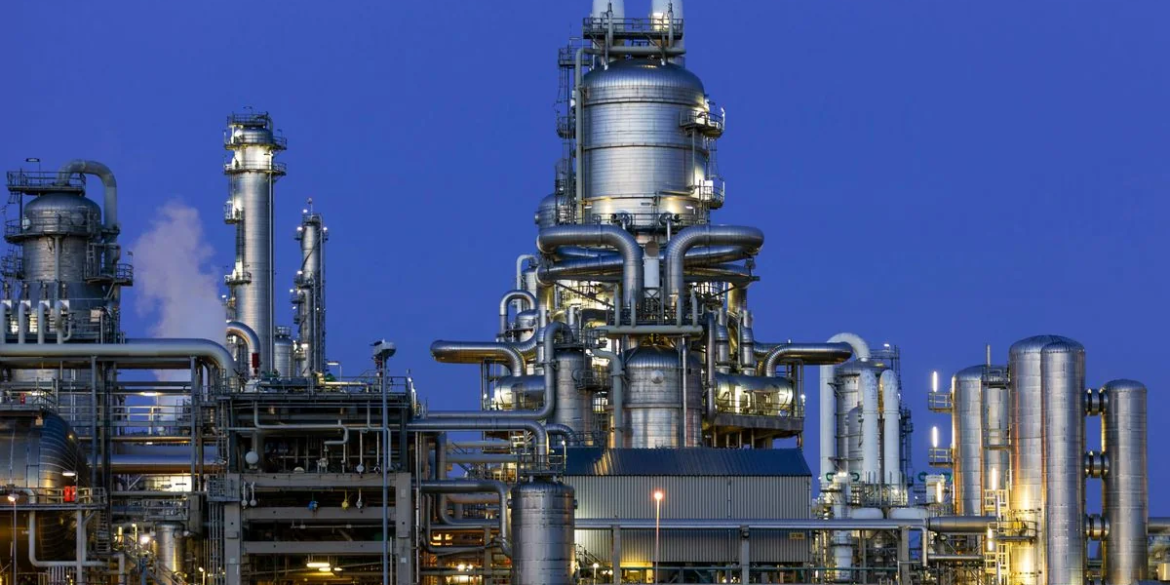
At the heart of the expansion is a planned 300,000-barrel-per-day refinery, supported by petrochemical processing facilities, four million cubic metres of storage capacity and a multi-berth jetty designed to facilitate petroleum imports, exports and regional distribution activities.
The project forms part of Ghana’s broader strategy to strengthen energy security, add value to hydrocarbon resources and position the country as a regional centre for petroleum processing and downstream industrial development.
According to project officials, preliminary construction activities at Jomoro are targeted to begin in the first quarter of 2027, with full project completion anticipated within five years.
If successfully implemented, the development could become one of the largest energy infrastructure investments undertaken in Ghana and a major contributor to industrial growth and job creation.
Despite the progress represented by the latest agreement, several critical challenges remain before construction can move forward.
Financing arrangements have not yet been finalised, while land acquisition and compensation issues continue to require resolution.
Ghana’s Energy Minister, John Abdulai Jinapor, has identified these matters as key obstacles that must be addressed to ensure the project advances according to schedule.
The latest proposal builds on earlier plans for the Petroleum Hub, which included an initial US$12 billion phase announced in 2024.
Since then, the regional refining landscape has evolved, particularly with the emergence of Nigeria’s Dangote Refinery as a major supplier of petroleum products across West Africa.
This growing competition highlights the importance of timely project execution if Ghana is to establish itself as a leading downstream petroleum hub for the region.
If completed, the expanded Petroleum Hub could enhance Ghana’s role in regional fuel supply chains, support industrialisation efforts and strengthen the country’s position within Africa’s evolving energy sector.
However, the success of the project will ultimately depend on securing financing, addressing land-related challenges and maintaining momentum toward implementation.