Second Phase of Mailo Solar Project Strengthens Zambia’s Clean Energy Ambitions
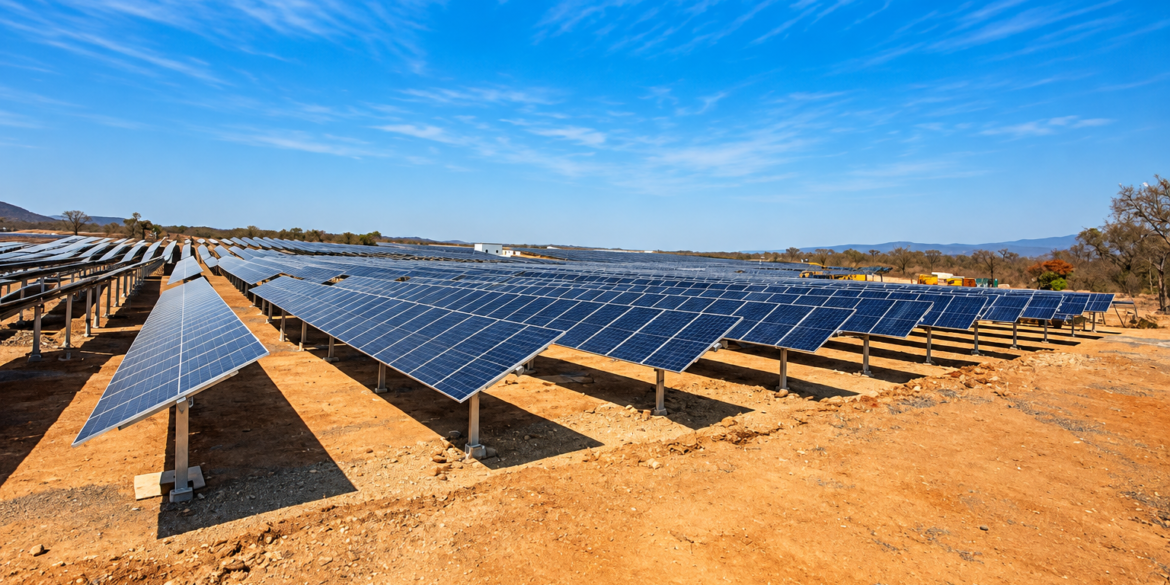
Zambia’s renewable energy sector is set for a major boost as development advances on the second phase of the Mailo Solar Project, a key initiative aimed at increasing clean power generation and enhancing national energy security.
The expansion builds on the success of the project’s initial phase and reflects growing investment in utility-scale solar infrastructure as the country seeks to diversify its electricity mix and reduce dependence on hydropower.
The development comes at a time when Zambia is accelerating efforts to address power shortages and build greater resilience against climate-related disruptions affecting hydroelectric generation.
The second phase is expected to add significant generation capacity to the national grid, supporting rising electricity demand from households, businesses and the mining sector.
Once completed, the project will contribute to improving power reliability while advancing Zambia’s renewable energy targets.
Industry stakeholders view the project as an important example of how public and private sector collaboration can help accelerate the deployment of sustainable energy infrastructure.
Increased investment in solar generation is also expected to attract further financing into Zambia’s growing renewable energy market.
The Mailo Solar expansion aligns with the government’s broader strategy of encouraging independent power production and expanding the role of renewable energy in the country’s long-term energy planning.
Solar projects are becoming increasingly important as Zambia seeks to mitigate the risks associated with prolonged droughts that can significantly reduce hydropower output.
Beyond strengthening electricity supply, the project is expected to deliver economic benefits through job creation during construction and operation, while contributing to Zambia’s transition toward a lower-carbon economy.
As new renewable energy projects continue to come online, initiatives such as the Mailo Solar expansion are expected to play an increasingly important role in supporting industrial growth, improving electricity access and reinforcing the stability of the national power system.