Namibia Calls on Local Companies to Build Capacity for Oil and Gas Supply Chain Contracts
As Namibia moves closer to developing its offshore petroleum resources, President Netumbo Nandi-Ndaitwah has called on local businesses to strengthen their capabilities and prepare for opportunities emerging across the oil and gas value chain.
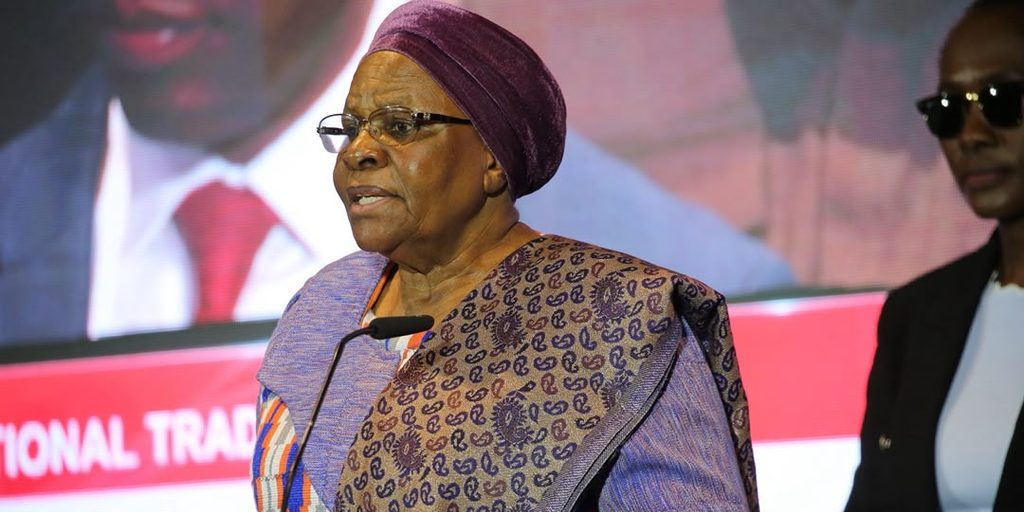
Speaking at the opening of the Swakopmund International Trade Expo (SWAiTEX) in Swakopmund, Nandi-Ndaitwah emphasised that Namibian companies must take proactive steps to build the technical, operational and production capacity required to compete for contracts linked to the country’s growing energy sector.
The President said the rapid expansion of Namibia’s oil and gas industry, together with investments in renewable energy, green hydrogen and rare earth minerals, presents a unique opportunity for domestic enterprises to become part of new industrial supply chains and contribute to long-term economic growth.
Rather than limiting themselves to existing markets, businesses should focus on expanding production, embracing innovation and improving competitiveness to take advantage of future procurement opportunities.
Nandi-Ndaitwah stressed that local participation will be critical to ensuring that large-scale energy and mining investments deliver broader benefits to the Namibian economy.
She noted that developing a strong base of local suppliers would support the objectives of the government’s proposed local-content policy, which is expected to create a framework for increasing Namibian involvement in emerging industries.
Her comments come as international interest in Namibia’s energy sector continues to grow following significant offshore oil discoveries and increased investment in clean energy projects.
These developments are expected to generate demand for a wide range of goods and services, creating opportunities for local manufacturers, engineering firms, logistics providers, contractors and service companies.
The President underscored the importance of preparing now rather than waiting for projects to enter production.
Building technical expertise, improving operational standards and strengthening local manufacturing capacity will position Namibian firms to compete effectively as major projects advance from exploration into development and production.
Her remarks also align with the government’s broader economic development agenda under the Sixth National Development Plan (NDP6), which prioritises economic diversification, industrialisation, value addition and job creation.
A key objective of the strategy is to reduce reliance on raw material exports by encouraging greater domestic processing and beneficiation of the country’s natural resources.
In addition, Namibia’s National Trade Policy 2023-2030 seeks to strengthen export diversification, improve market access and enhance the competitiveness of micro, small and medium-sized enterprises, providing further support for local companies seeking to participate in new growth sectors.
With oil, gas, renewable energy and critical minerals expected to reshape Namibia’s economic landscape over the coming decade, the government is increasingly focused on ensuring that local businesses are equipped to capture a meaningful share of the opportunities generated by these strategic investments.