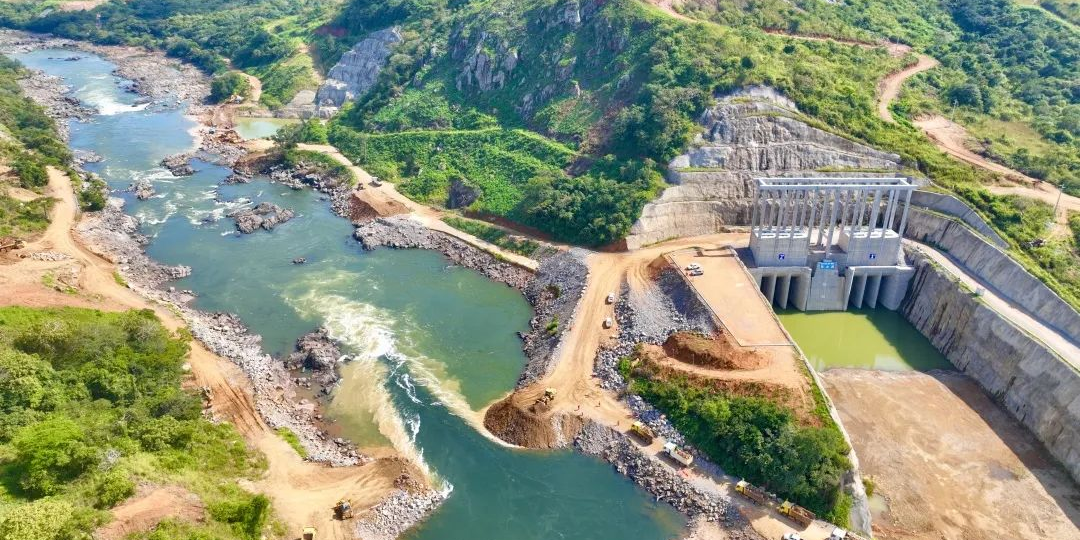
Namibia and Angola Prioritise N$941 Million Interconnector and Baynes Hydropower Project to Boost Regional Energy Security
Namibia and Angola have reaffirmed their commitment to strengthening regional energy infrastructure by prioritising the N$941 million Angola-Namibia Interconnector and the long-planned Baynes Hydropower Project, two strategic initiatives expected to enhance power security, economic cooperation, and cross-border development.
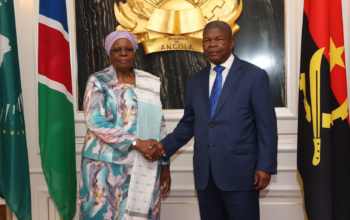
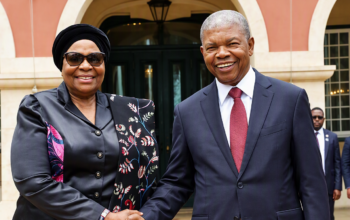
The projects were highlighted during the inaugural session of the Angola-Namibia Bi-National Commission (BNC) in Luanda, co-chaired by Namibian President Netumbo Nandi-Ndaitwah and Angolan President João Lourenço.
The meeting underscored the two countries’ shared ambition to accelerate infrastructure investments that support sustainable economic growth and improve essential services for citizens on both sides of the border.
At the centre of the discussions was the Angola-Namibia Power Interconnection Project (ANNA), a major transmission initiative designed to strengthen electricity trade and grid reliability between the neighbouring nations.
The project will include the construction of a 166-kilometre, 400-kV transmission line linking the Kunene substation in Namibia to the Cahama substation in Angola, with approximately 30 kilometres of the line located within Namibian territory.
Additional infrastructure will include feeder bays, transformer facilities and a static var compensator at the Kunene substation to support grid stability and efficiency.
Alongside the interconnector, the proposed Baynes Hydropower Project remains a key component of the two countries’ strategy to expand electricity generation capacity and strengthen long-term energy security in the region.
Both projects form part of wider efforts to deepen bilateral cooperation in power generation, transmission and energy access.
While authorities did not announce updated financing arrangements or construction schedules, both governments stressed the importance of accelerating implementation to unlock economic opportunities, support industrial growth and strengthen regional energy integration.
Energy cooperation was not the only area on the agenda. The two governments also reviewed progress on water infrastructure projects, including the permanent pump stations at Calueque, which are expected to be commissioned in December 2026 to improve water supply in northern Namibia.
Information and communications technology (ICT) development also featured prominently in discussions, with both countries identifying improved internet connectivity as a strategic priority for economic development and digital inclusion.
To further facilitate trade and regional integration, Namibia and Angola are advancing plans for a one-stop border post at Oshikango-Santa Clara.
The initiative is expected to streamline customs procedures, reduce transit times and improve the movement of goods and people across the border.
The leaders emphasised that accelerating these flagship projects will play a critical role in stimulating economic growth, attracting investment and improving living standards.
Their discussions also reinforced commitments to expanding trade and investment ties, supported by the second Angola-Namibia Business Forum held alongside the commission meeting.
Established following a 2019 decision to consolidate existing bilateral cooperation mechanisms into a single high-level platform, the Bi-National Commission is expected to play a central role in coordinating joint development initiatives and strengthening the strategic partnership between Namibia and Angola.