Botswana Denies Connection to Oil Tanker Hit by U.S. as Fake Ship Registrations Raise Alarm
Botswana has distanced itself from an oil tanker targeted by the United States in the Persian Gulf, saying the vessel was falsely operating under its flag a case that highlights the growing global problem of maritime flag fraud and its impact on African nations.
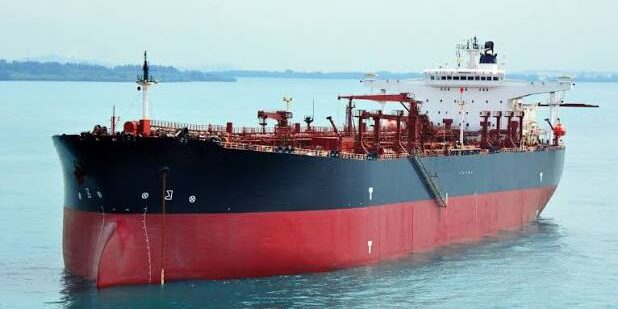
The controversy emerged after U.S. Central Command (CENTCOM) announced military action against the “Botswana-flagged” oil tanker M/T Lexie during operations aimed at disrupting Iranian oil shipments amid escalating tensions between Washington and Tehran.
In response, Botswana firmly denied any connection to the vessel. In a strongly worded statement, the Ministry of International Relations said the southern African country neither owns nor operates an international maritime registry and therefore could not have legally authorised the tanker to sail under its national flag.
The government stressed that any use of Botswana’s flag by the vessel was fraudulent and unauthorised.
The incident has drawn renewed attention to the practice of “flag fraud,” where ships falsely claim registration in a country to conceal ownership, evade sanctions, avoid regulatory oversight, or disguise the origin of cargo.
According to the International Maritime Organization’s Global Integrated Shipping Information System (GISIS), at least 529 vessels worldwide have been identified as fraudulently flying national flags.
Several African countries have been among the hardest hit by the problem. The Comoros, an island nation in the Indian Ocean, has recorded more than 80 falsely flagged vessels, making it one of the most frequently misused registries globally.
Guinea, Madagascar, and Mali have also reported similar abuses involving ships operating illegally under their flags.
The situation is particularly striking in the cases of Botswana and Mali, both of which are landlocked nations with no coastline.
Earlier this year, Madagascar’s Ports, Maritime and Rivers Agency issued a warning after discovering ships operating internationally under the Malagasy flag without official authorisation.
Authorities stated that the country had never issued documents permitting those vessels to engage in international navigation.
Officials in Comoros have similarly argued that the country is a victim of maritime fraud rather than a participant in illicit shipping operations.
The Growing “Shadow Fleet” Problem
The misuse of African flags has increasingly been linked to the expansion of so-called “shadow fleets” ageing vessels used to transport sanctioned oil and other restricted cargo outside normal international monitoring systems.
These fleets have grown rapidly following sanctions imposed on Iran, Russia, and Venezuela.
Maritime analysts say operators exploit weaknesses in global shipping oversight by forging registration papers, changing vessel identities, disabling tracking systems, and falsely claiming registration in countries with limited maritime enforcement capacity.
The practice creates serious reputational risks for affected countries while complicating international efforts to monitor shipping routes, enforce sanctions, and maintain transparency in global trade.
The M/T Lexie incident has now become one of the clearest examples of how African nations are increasingly being drawn into geopolitical disputes through the misuse of their national identities in international shipping.