Nigeria Approves Deep Offshore Incentives to Unlock $50 Billion in Oil and Gas Investment
Nigeria has approved a new deep offshore oil and gas investment framework designed to attract up to $50 billion in fresh investment, revive stalled projects and increase the country’s oil production capacity.
Approved by President Bola Ahmed Tinubu, the framework replaces the previous system of project-by-project negotiations with a more transparent and rules-based incentive regime.
The government says the new approach will provide investors with greater certainty while protecting Nigeria’s long-term economic interests.
The framework is being implemented through the Deep Offshore Oil and Gas Projects Incentives (Tax Remission) Order, 2026, which establishes clear eligibility requirements and procedures for qualifying projects.
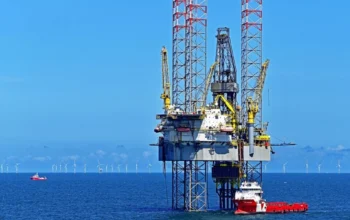
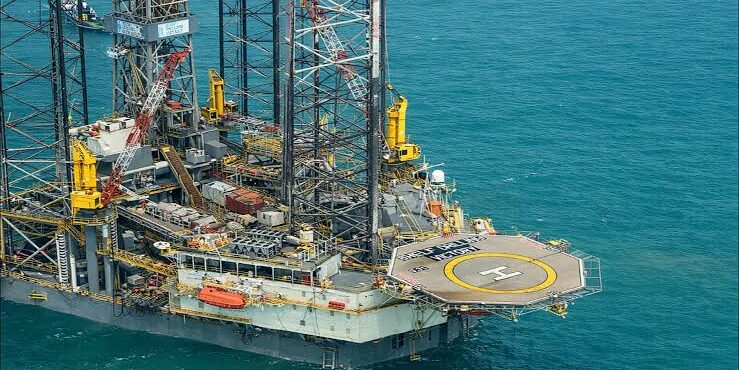
One of the first major developments expected to benefit is Shell’s Bonga South West project, a long-delayed deepwater development with estimated investment of about $20 billion.
The project is expected to generate additional oil production, foreign exchange earnings and employment opportunities.
The reforms form part of Nigeria’s broader effort to restore investor confidence and reverse years of underinvestment in its upstream oil and gas sector.
Deepwater projects require substantial capital and long development timelines, making fiscal stability and regulatory certainty particularly important to international investors.
The government expects the new framework to accelerate final investment decisions, bring previously stalled projects back into development and support higher crude production.
Nigeria is also seeking to increase local economic benefits from new offshore developments.
The incentives are linked to objectives including incremental production, local content and greater in-country value addition, rather than being structured as blanket tax concessions.
The policy comes as Nigeria works to strengthen its position as Africa’s leading oil producer and pursue its ambition of reaching 3 million barrels of oil per day by 2030.
If successfully implemented, the new framework could unlock billions of dollars in capital, expand offshore production and strengthen Nigeria’s position in the global oil and gas investment market.