Sonangol Builds New Suezmax Tanker to Boost Angola’s Crude Oil Exports and Regional Energy Trade
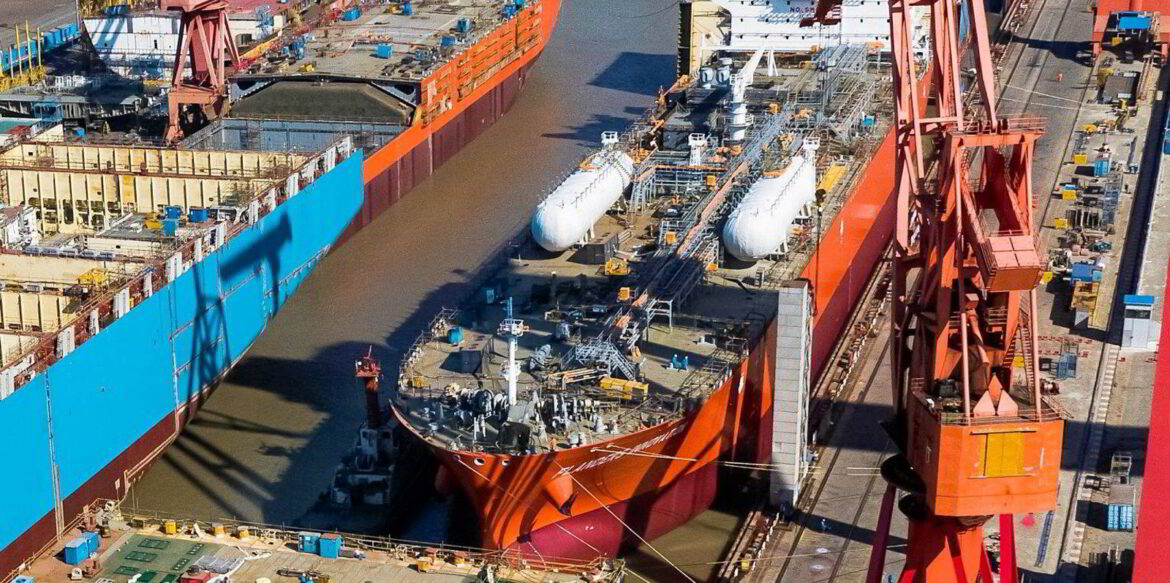
Angola’s national oil company, Sonangol, has begun construction of a new Suezmax crude oil tanker capable of transporting up to one million barrels of oil, marking a significant step in the country’s strategy to strengthen its control over crude transportation and expand its reach in regional and global energy markets.
The vessel, currently being built by South Korea’s Hyundai Samho Heavy Industries, is scheduled for delivery in February 2027.
It forms part of Sonangol’s broader fleet modernization programme aimed at improving operational efficiency, reducing fuel consumption, and meeting increasingly stringent international environmental standards.
The new tanker is expected to deliver a 2.2% improvement in energy efficiency compared to vessels delivered in 2023, while enhancing Angola’s capacity to move crude directly to customers without relying heavily on third-party shipping providers.
Strengthening Control Over Oil Logistics
As geopolitical tensions, freight market volatility, and energy security concerns continue to reshape global oil markets, control over transportation infrastructure has become increasingly important for oil-producing nations.
Traditionally, African oil exporters have depended on international tanker operators to transport crude to global markets, leaving them exposed to fluctuating freight rates, vessel shortages, and supply chain disruptions.
By expanding its fleet, Sonangol aims to reduce these risks while gaining greater flexibility in serving both international and regional customers.
The initiative builds on Sonangol’s ongoing efforts to strengthen its maritime business through Sonangol Shipping and its partnership with global tanker operator Stena Bulk.
Alongside fleet expansion, the company has invested in trading and downstream operations, creating a more integrated energy business model.
Supporting Angola’s Energy Exports
Angola remains Africa’s third-largest crude oil producer, with production averaging approximately 1.1 million barrels per day.
The oil sector contributes nearly 29% of the country’s GDP and accounts for around 95% of export revenues.
Expanding shipping capacity is expected to help Angola capture greater value from its hydrocarbon resources by improving market access and supporting growing regional demand for crude oil.
Growing Demand from African Markets
Sonangol’s fleet expansion comes as African countries increasingly seek regional energy suppliers to strengthen fuel security and reduce exposure to global supply disruptions.
Ongoing tensions in the Middle East and concerns over shipping routes through the Strait of Hormuz have encouraged many African refiners to diversify their crude supply sources.
South Africa, for example, has been exploring alternative crude suppliers as domestic refining capacity recovers and energy security becomes a strategic priority.
Angola is already one of South Africa’s largest crude suppliers, benefiting from shorter shipping distances and lower geopolitical risks compared to some Middle Eastern producers.
Regional demand is also being driven by new refining capacity across the continent. In 2025, Ghana imported its first cargo of Angolan crude for processing at the Sentuo Refinery, highlighting a growing trend toward intra-African energy trade and greater reliance on regional supply chains.
Positioning Angola as a Regional Energy Hub
As demand for African crude continues to grow, ownership of transportation assets is becoming increasingly valuable.
Sonangol’s investment in a new Suezmax tanker reflects a broader strategy to build shorter, more resilient supply chains while positioning Angola as a leading regional energy supplier.
By strengthening its maritime logistics capabilities, Angola is not only improving the competitiveness of its oil exports but also enhancing its role in supporting energy security and economic integration across the African continent.