South Africa Faces Higher Fuel Costs as Oil Prices Surge and Government Scales Back Relief Measures
South Africa is set to face higher fuel costs as global oil prices climb above $100 per barrel and government support measures are scaled back, increasing pressure on households and businesses in the country’s already strained economy.
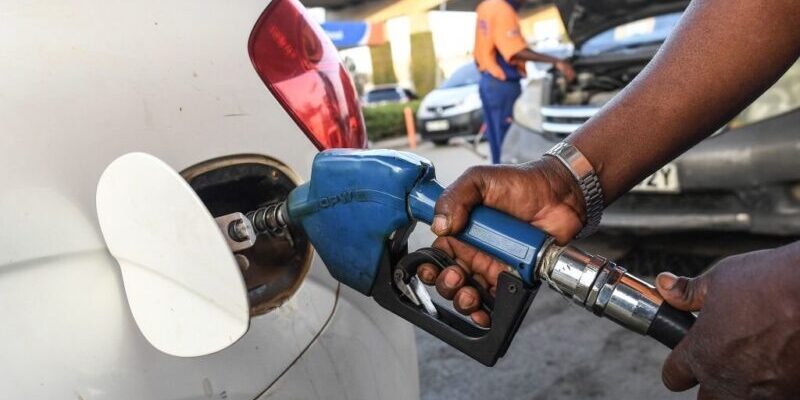
From June 3, petrol prices will rise by R1.43 per litre, according to the Department of Mineral and Petroleum Resources (DMPR).
The increase comes despite a stronger rand and lower international fuel product prices during the latest pricing cycle.
Global Oil Pressure Returns
The adjustment follows a rise in Brent crude from around $101 to $104.59 per barrel, driven by escalating geopolitical tensions involving Iran and concerns over potential disruptions in the Strait of Hormuz one of the world’s most critical oil transit routes, responsible for roughly 20% of global supply.
The developments highlight how quickly international energy shocks can translate into higher transport costs, inflationary pressures, and increased living expenses in import-dependent economies such as South Africa.
Reduction in Domestic Fuel Support
While global oil prices contributed to the increase, domestic policy changes played an equally significant role.
The government has reduced temporary fuel levy relief by R1.50 per litre for petrol and R1.96 per litre for diesel, a measure previously introduced to cushion consumers against rising global energy costs.
At the same time, the Slate Levy used to recover under-recoveries in the fuel pricing system has been increased from 122.70 cents to 157.74 cents per litre.
The adjustment follows a cumulative negative slate balance of approximately R18.28 billion recorded at the end of April.
As a result, consumers are absorbing a greater share of international oil market volatility, adding further strain to transport costs, food prices, and overall inflation.
Mixed Relief for Diesel Users
Not all fuel users will be negatively affected. Diesel and paraffin prices declined during the review period due to weaker seasonal demand for middle distillates in the Northern Hemisphere.
The latest adjustments include decreases of R3.25 per litre for 0.05% sulphur diesel, R2.62 per litre for 0.005% sulphur diesel, and R5.96 per litre for illuminating paraffin. Liquefied petroleum gas (LPG) prices also declined by up to 20 cents per kilogram.
The reduction is expected to offer some relief to key sectors such as freight, agriculture, mining, and manufacturing, which rely heavily on diesel and are central to supply chains and economic activity.
The fuel price changes come at a sensitive time for South Africa’s economy, where energy costs have a direct impact on inflation, consumer spending, and business operations.
Ratings agency S&P Global has warned that sustained oil prices near $100 could intensify inflationary pressures, increase food and fertiliser costs, and weigh on economic growth in import-dependent economies.
The June fuel adjustments reflect a broader shift in South Africa’s energy pricing environment, where reduced government support coincides with rising global volatility.
With oil markets remaining highly sensitive to geopolitical risks and domestic buffers being gradually reduced, the country may face continued fuel price pressure in the months ahead, with implications for inflation, transport costs, and overall economic stability.