East African Crude Oil Pipeline Nears Completion as Uganda and Tanzania Plan First Oil Shipment in July 2026
Tanzania and Uganda are preparing to launch their first crude oil shipment through the East African Crude Oil Pipeline (EACOP) by July 2026, following high-level talks between Tanzanian President Samia Suluhu Hassan and Ugandan President Yoweri Museveni.
Officials from both countries confirmed that technical coordination is underway to finalize export readiness, including operational procedures and supporting infrastructure such as pipelines for refined petroleum products.
Strategic Export Infrastructure
Tanzanian ports, particularly Tanga and Dar es Salaam, are being positioned as key export terminals for Ugandan crude.
Authorities are implementing port upgrades to accommodate increased volumes and associated logistics linked to the pipeline project.
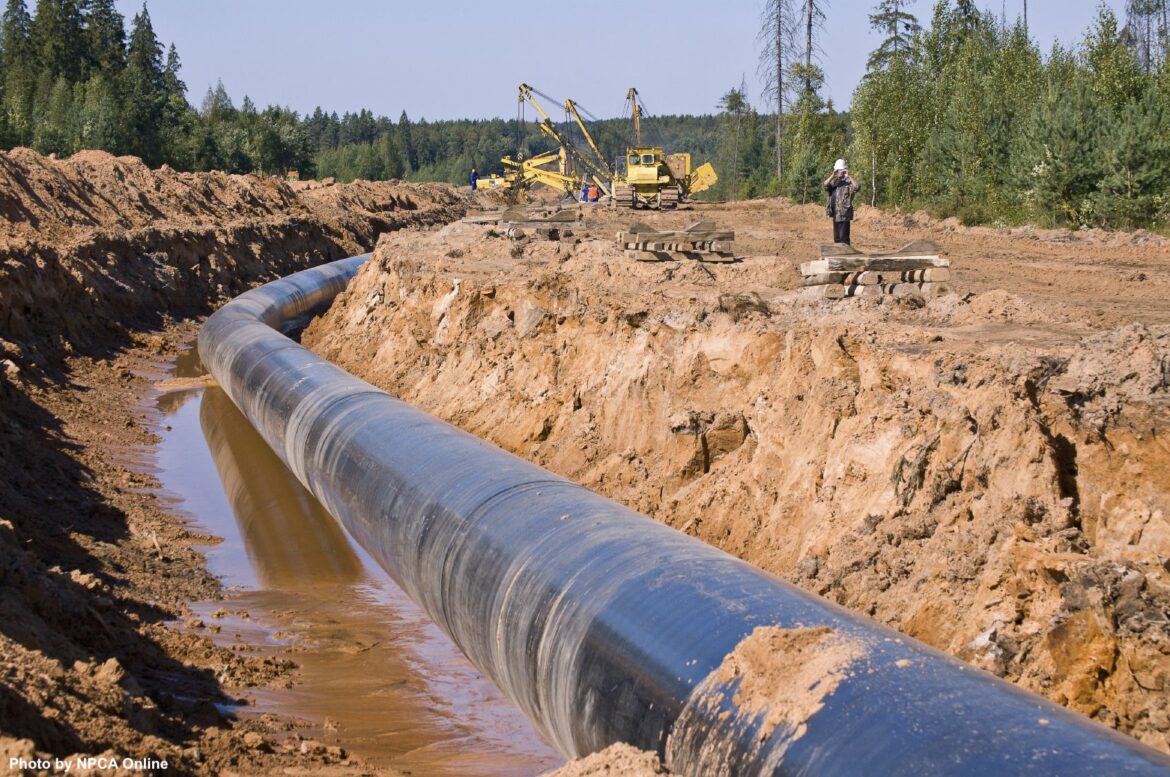
The 1,443-kilometer heated pipeline will transport crude from Uganda’s oil fields in the Hoima region to the Tanzanian coast.
Designed to handle waxy crude that requires temperature control during transit, EACOP is among the largest energy infrastructure developments currently under construction in East Africa.
On February 6, 2026, EACOP Ltd. reported that the project had reached 79 percent completion following an inspection led by Uganda’s Minister of Energy and Mineral Development, Ruth Nankabirwa.
Preparing for Production
Uganda is accelerating preparations across the upstream and midstream segments to ensure production can commence ahead of export operations.
Development efforts include upstream production facilities, logistics systems and a domestic refinery with a planned capacity of 60,000 barrels per day.
The EACOP project, valued at over $5 billion, is central to Uganda’s strategy to commercialize its oil reserves.
Once operational, the pipeline will enable Uganda to export a portion of its anticipated crude output of approximately 246,000 barrels per day to international markets.
With construction nearing completion and export systems being finalized, the July 2026 target represents a significant milestone for both Uganda and Tanzania as they position themselves within regional and global energy supply chains.