South Africa Boosts US Fuel Imports Amid Strait of Hormuz Tensions and Rising Global Shipping Costs
South Africa is increasing fuel imports from the United States as instability along key Middle East shipping routes continues to disrupt traditional supply chains and push up global energy costs.
The shift reflects a broader adjustment among fuel-importing economies that are rethinking sourcing strategies amid tighter maritime corridors, longer shipping distances, and rising freight and crude prices.
For many years, South Africa Africa’s largest fuel importer relied heavily on refined petroleum products from Gulf suppliers, including Oman, Saudi Arabia, and the United Arab Emirates, to meet domestic demand for diesel, petrol, and jet fuel.
That dependence is now under strain as uncertainty surrounding critical maritime chokepoints, particularly the Strait of Hormuz, has forced traders and importers to diversify supply sources.
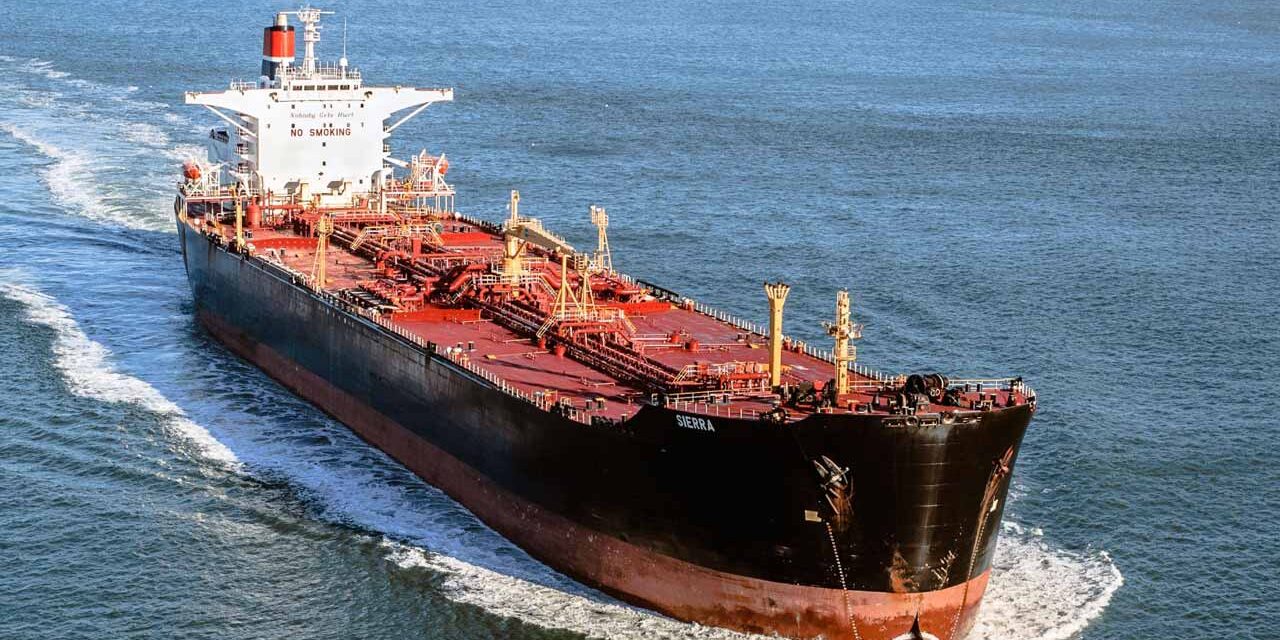
Recent shipping data reported by Bloomberg shows that at least four tankers carrying approximately 165,000 tons of refined fuel from the United States have discharged cargo at the Port of Durban this month.
The port remains the country’s primary entry point for fuel imports, handling the majority of inbound volumes.
According to Avhapfani Tshifularo, Chief Executive Officer of the Fuels Industry Association of South Africa, the increase in US shipments signals a noticeable shift in sourcing patterns as global traders respond to supply chain disruptions in the Middle East.
Industry participants caution that even if geopolitical tensions ease, global oil trade routes may take time to return to previous patterns.
Fuel supplies remain available internationally, but often at higher landed costs due to freight premiums, insurance risks, and longer transit times associated with alternative shipping routes.
The disruption extends beyond South Africa. Across Africa, fuel-importing economies are increasingly exposed to volatility in global energy markets, with tighter supply conditions driving up import costs and, in many cases, consumer fuel prices.
Similar pressures have emerged in parts of Asia, where shortages of refined products have been reported in several emerging markets, while Europe has faced constraints in jet fuel availability as supply chains adjust to geopolitical risks.
Attention has also turned to domestic refining capacity as a potential buffer against import shocks.
The Dangote Refinery in Nigeria has been ramping up production, positioning itself as a potential regional supplier of refined petroleum products.
However, industry analysts note that even large-scale facilities are unlikely to fully offset Africa’s structural dependence on imported fuel, particularly as several countries continue to face refinery closures and underinvestment in downstream infrastructure.
With freight costs rising and supply routes shifting, Africa’s fuel markets are expected to remain sensitive to global geopolitical developments.
For South Africa and other import-dependent economies, diversifying supply sources and strengthening regional refining capacity will be critical to managing long-term energy security and price stability.