IEA Calls on Mozambique to Fast-Track Clean Cooking and Electrification Efforts
The International Energy Agency (IEA) has urged Mozambique to accelerate access to clean energy for cooking and to advance national electrification efforts to improve living standards across the country.
The recommendations were presented on Monday during the Energy and Climate Week of the Community of Portuguese Language Countries (CPLP), taking place in Maputo until Friday.
In its analysis of Mozambique’s energy policy, the IEA emphasized the need to “accelerate access to clean cooking solutions and electrification through tailored policies, targeted subsidies, and stronger coordination between public agencies.”
Over the past decade, Mozambique has nearly doubled its electrification rate, yet more than half of the population remained without access to electricity as of 2022. Access to clean cooking solutions also remains alarmingly low, with only 7% of the population using modern energy sources for cooking.
The IEA encouraged the government to strengthen energy planning and data systems, adopt transparent monitoring tools, and develop specific investment roadmaps to attract both private and concessional financing.
These efforts should be supported by predictable tariffs, clear regulations, and risk-reduction mechanisms to ensure sustainable growth in the sector.
Mozambique’s energy mix remains heavily reliant on hydropower, while other renewable energy resources remain largely untapped. The IEA noted that harnessing this potential could drive economic growth, industrialization, and clean energy exports, including expanding the mining and processing of critical minerals vital to global clean energy technologies.
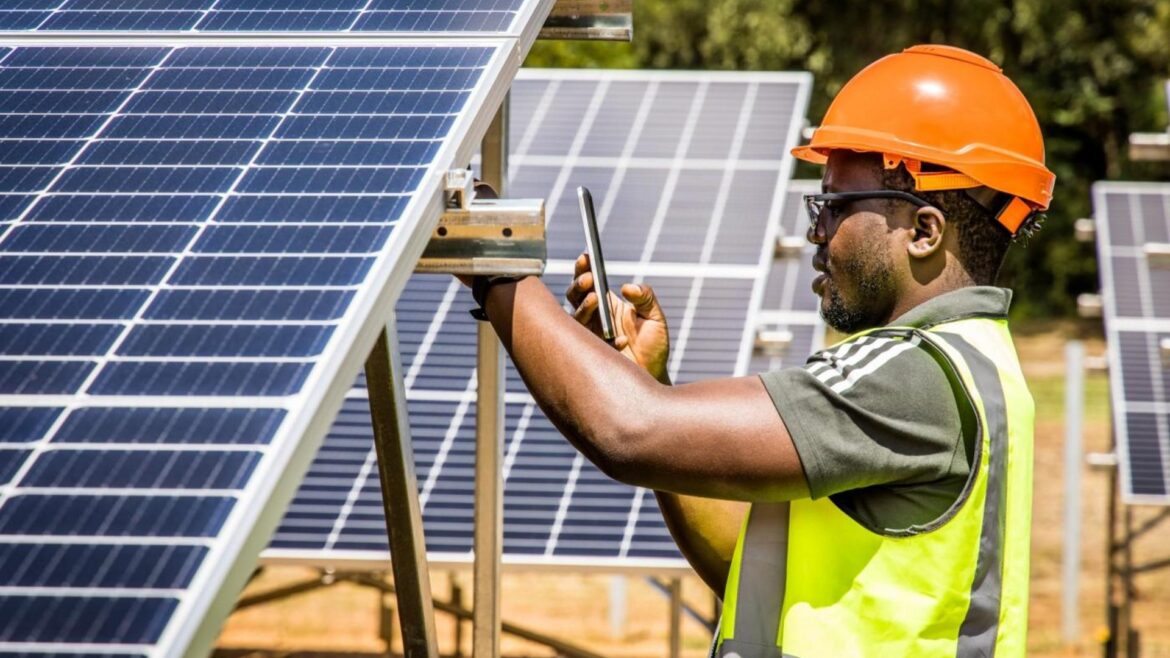
According to the IEA, off-grid and mini-grid solar systems will play a crucial role in expanding affordable electricity access in rural areas. However, the agency stressed that more must be done to stimulate market development in these sectors, which still depend heavily on public funding.
The report also highlighted challenges in implementing Mozambique’s Energy Transition Strategy, approved in 2023, which aims for universal energy access.
The high cost of capital continues to limit financing opportunities for infrastructure projects, widening the energy access gap.
Although Mozambique already exports liquefied natural gas (LNG), major projects have faced delays, preventing the country from fully realizing the anticipated economic benefits.