DRC Considers Equity in Zambia Power Project to Boost Copper Output and Tackle Energy Deficit
The Democratic Republic of the Congo is considering taking an equity stake in a $270 million cross-border electricity project with Zambia, as persistent power shortages threaten production in one of the world’s most important copper regions.
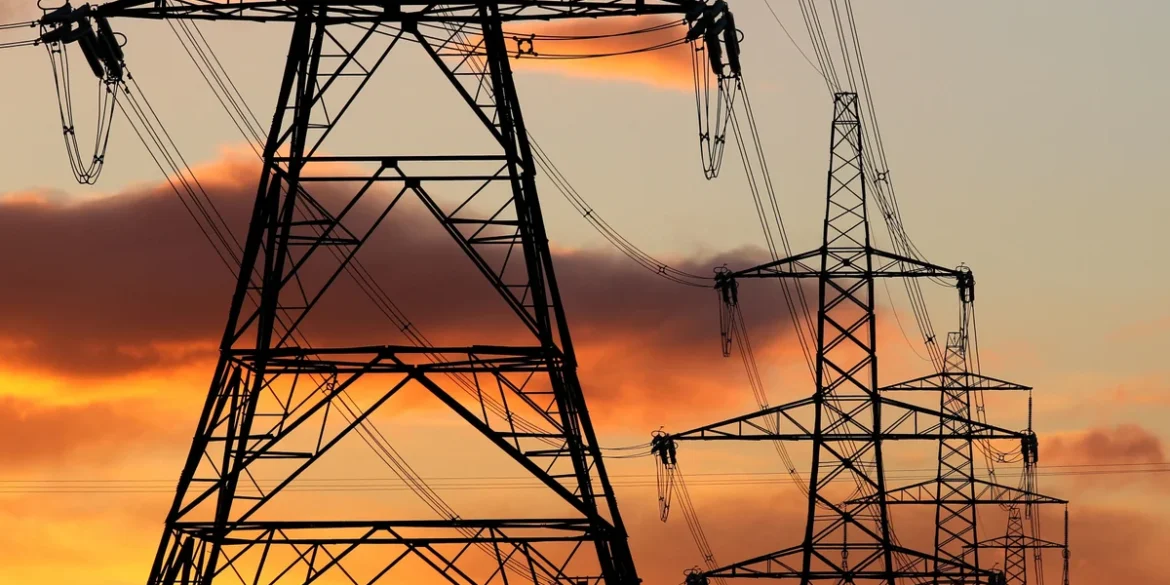
According to the finance ministry, the proposed investment would give Kinshasa a direct role in developing a 200-kilometre high-voltage transmission line linking Kalumbila in northwestern Zambia to Kolwezi, the heart of Congo’s copper belt.
The line is expected to deliver an initial 460 megawatts (MW), with potential expansion to 550 MW. A construction timeline has not yet been confirmed.
Rising Energy Pressure on Mining Sector
The move reflects mounting pressure on the DRC’s mining industry, where electricity demand is growing faster than supply.
As companies invest in local mineral processing aligned with government efforts to retain more value domestically energy constraints have become a major bottleneck.
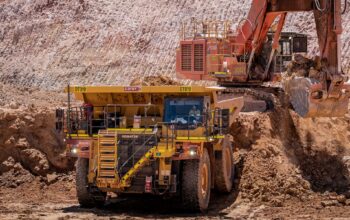
Limited grid capacity has forced many operators to rely on diesel generators and self-funded backup systems, increasing operational costs and reducing efficiency.
Doudou Fwamba said studies show that adding 1 gigawatt (GW) of power capacity could potentially double current mining output, underscoring the critical link between energy supply and industrial growth.
Strategic Investment and Infrastructure Push
The planned equity stake aligns with a broader infrastructure drive following the government’s recent $1.25 billion eurobond issuance.
Alongside the transmission project, private sector investments are also increasing to address the country’s energy gap.
Despite holding Africa’s largest untapped hydropower potential largely concentrated around the Inga Dam system the DRC faces an electricity deficit estimated at over 5,000 MW.
The mining-intensive southern region alone accounts for at least 900 MW of unmet demand.
Industry players warn that the shortfall is already affecting operations. At the Kamoa-Kakula Copper Complex, project managers have described the energy deficit as severe, forcing reliance on costly diesel generation to sustain output.
Growing Demand from Local Processing
Energy demand is rising further as companies expand downstream processing. Ivanhoe Mines has begun producing copper anodes at a new smelter at Kamoa-Kakula, designed to process up to 500,000 tonnes annually adding significant pressure on electricity supply.
Private energy providers are stepping in to bridge the gap. CrossBoundary Energy is developing a $250 million solar and battery storage project to support operations at the site, with phased delivery expected to reach full capacity later this year.
In the longer term, the DRC is relying on large-scale hydropower development to resolve its structural energy deficit.
The Inga III project on the Congo River, supported by a World Bank financing programme of up to $1 billion, could eventually generate between 2 GW and 11 GW of electricity.
If implemented successfully, the project could transform the DRC into a major regional power exporter while supporting industrialisation and long-term economic growth.