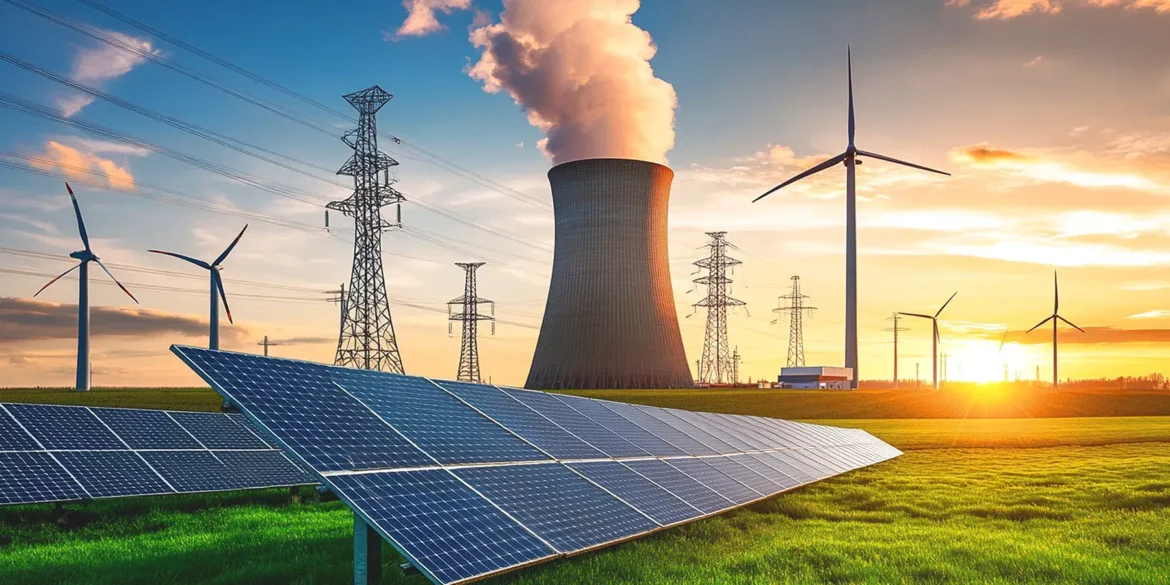
The global energy transition strengthened in 2025, with more than 12 GW of nuclear capacity under construction, according to a new International Energy Agency (IEA) report published on April 20, 2026.
This reflects a renewed global interest in nuclear power as a low-carbon, reliable energy source, increasingly valued in the context of energy security concerns.
Renewable energy also expanded at record speed, with nearly 800 GW of new capacity added in a single year.
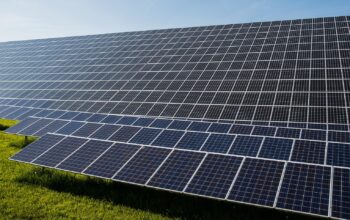
Solar photovoltaics dominated this growth, accounting for about 75% of new installations, followed by wind power.
Battery storage is also growing rapidly, becoming essential for stabilizing electricity grids with high shares of variable renewable energy.
In 2025, global electricity demand rose sharply, but most of the increase was met by low-carbon sources.
Renewables and nuclear together generated around 600 TWh of additional electricity, the largest annual increase ever recorded.
As a result, growth in coal use remained minimal, rising only about 0.4%, although regional differences persisted depending on weather conditions and energy prices.
Despite progress in clean energy, global energy-related CO₂ emissions still rose slightly by about 0.4%.
In China, coal use stabilized due to renewable expansion, while India’s emissions remained steady for the first time in decades, helped by strong hydropower output. Some advanced economies, however, recorded small increases in emissions due to higher electricity demand.
Overall, the IEA notes that clean technologies such as solar, wind, nuclear, electric vehicles, and storage have significantly reduced fossil fuel consumption since 2019, avoiding large amounts of energy demand and billions of tons of CO₂ emissions. However, the transition remains incomplete, as rising global energy demand continues to sustain fossil fuel use in many regions.
Institutions like the World Bank stress that achieving deeper decarbonization will require major investments in energy infrastructure, particularly in developing countries.
At the same time, regions such as Africa are seen as having strong potential to benefit from renewable expansion if investment and skills development accelerate.
The growing role of nuclear power also reflects broader concerns about energy security and geopolitical stability.
More countries are adjusting their energy strategies to balance climate goals with reliable supply and economic competitiveness.