Botswana signs strategic mineral, oil, and renewable energy agreements with Oman to diversify economy beyond diamonds
Botswana has signed a series of agreements with Oman aimed at strengthening cooperation in mineral exploration, oil storage infrastructure, and renewable energy development, as the country accelerates efforts to diversify its economy beyond diamonds.
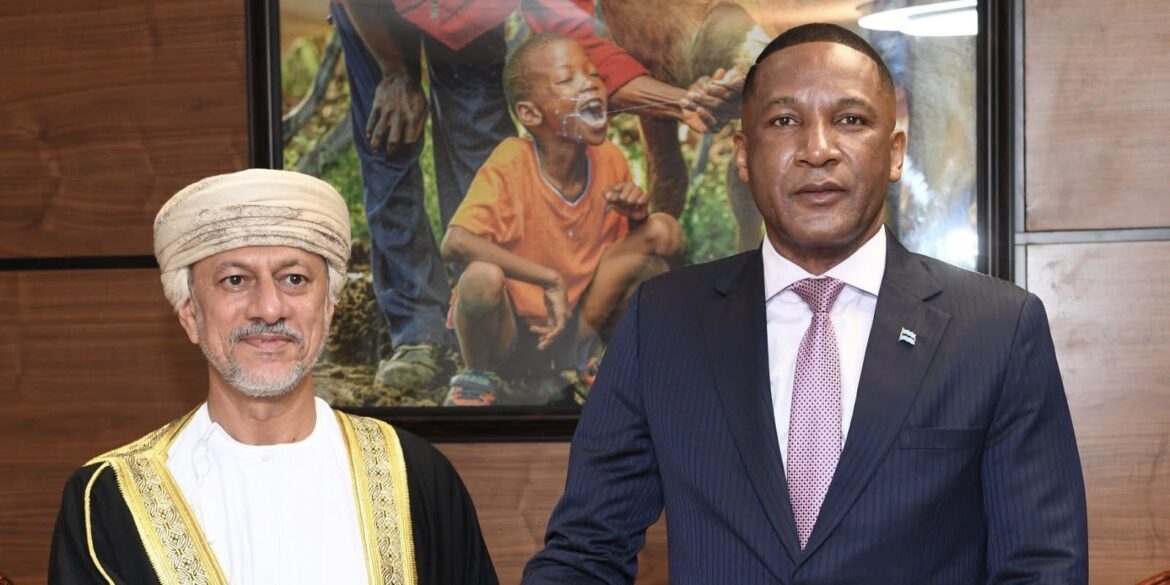
The agreements were concluded during a state visit to Oman by President Duma Boko, where he held talks with Sultan Haitham bin Tariq.
According to Botswana’s presidency, the visit was intended to deepen bilateral relations and expand economic cooperation between the two countries.
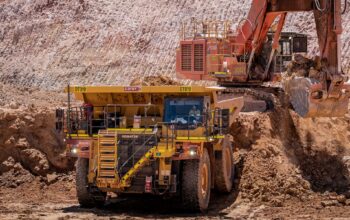
A key outcome of the visit is a cooperative mineral exploration agreement designed to support Botswana’s efforts to expand mining activity into underexplored regions, which make up more than 70% of the country’s land area.
The initiative forms part of a broader strategy to reduce reliance on diamond revenues and develop new sources of mineral wealth, particularly in critical minerals.
Botswana has also secured cooperation with Oman on the development of a 500-megawatt solar power facility.
The project follows an earlier announcement that NAQAA Sustainable Energy LLC, a subsidiary of Oman’s state-owned O-Green, has been appointed to lead the design, financing, construction, and operation of the plant in northwestern Botswana.
The agreements come at a time when Botswana’s diamond-dependent economy is under increasing pressure.
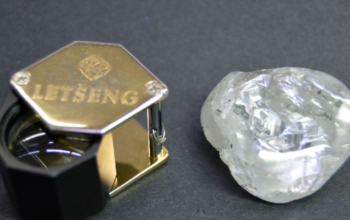
Global diamond demand has weakened due to economic uncertainty and rising competition from lab-grown alternatives, contributing to a decline in export earnings.
Recent reports also highlight growing challenges in the sector, including a significant oversupply of rough diamonds.
According to Botswana’s 2026/27 Budget Strategy Paper, stockpiles reached approximately 12 million carats by the end of December 2025 well above the government’s 6.5 million carat threshold reflecting subdued global demand and price weakness.
Diamonds remain central to Botswana’s economy, accounting for roughly one-third of national revenue and the majority of foreign exchange earnings, making diversification a strategic priority.
In response, the country has intensified efforts to develop its critical minerals sector, targeting resources such as copper, cobalt, and lithium, which are increasingly important in global energy transition supply chains.
Recent exploration activity has also shown early promise. In February, Canada’s Tsodilo Resources Limited reported a significant discovery of rare earth and critical minerals at its Gchwihaba Metals project near Shakawe in northwestern Botswana, further supporting the country’s emerging diversification drive.