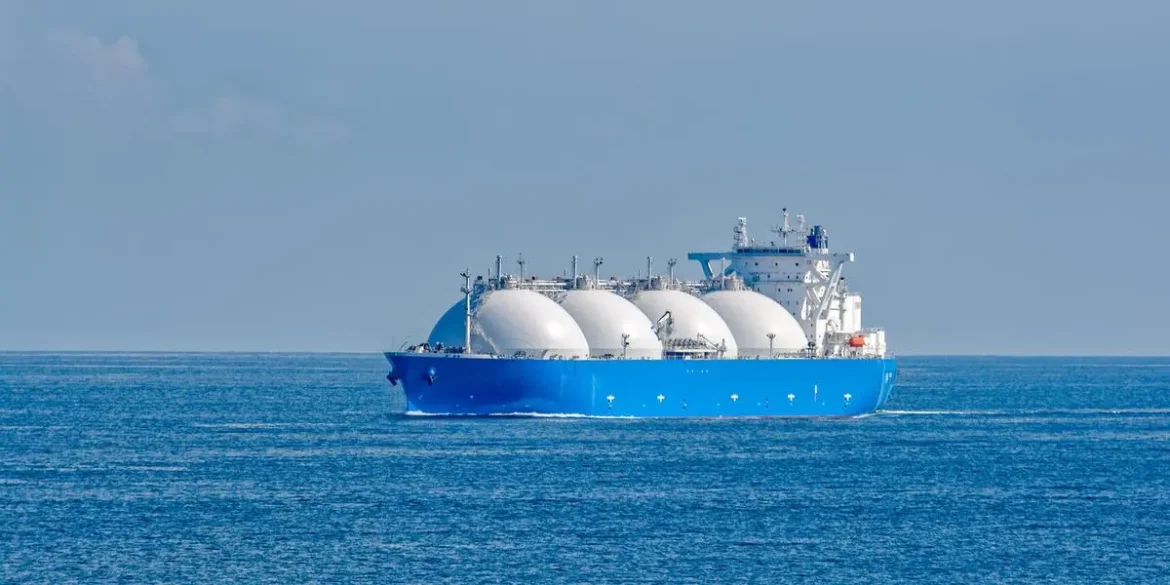
Middle East Conflict May Cut 120 bcm of Global LNG Supply by 2030, Warns International Energy Agency
The ongoing conflict in the Middle East could result in the loss of approximately 120 billion cubic metres (bcm) of liquefied natural gas (LNG) supply between 2026 and 2030, representing around 15% of expected global supply growth, according to the International Energy Agency (IEA).
In its latest quarterly gas outlook released on April 24, the IEA said the disruption would stem from short-term supply interruptions and slower expansion of new LNG production capacity.
While the lost volumes are expected to be partially offset by the commissioning of new liquefaction projects later in the decade, the agency warned that the most significant impact would be felt in 2026 and 2027, delaying an anticipated wave of new global LNG supply.
Strait of Hormuz Disruptions Impact Supply Flows
The IEA reported that LNG supply growth stalled in March following disruptions linked to the Strait of Hormuz, a critical global energy shipping route.
The closure effectively reduced LNG output from Qatar and the United Arab Emirates by around 10 bcm in March alone.
Combined supply losses from both countries are projected to reach approximately 20 bcm over March and April, highlighting the sensitivity of global LNG markets to geopolitical instability in the region.
“Each month without LNG cargoes transiting the strait results in around 10 bcm of lost LNG supply,” the IEA noted.
Infrastructure Risks and Project Delays
The agency also warned that damage to LNG infrastructure in Qatar could further exacerbate supply constraints.
In a severe disruption scenario, Qatar’s LNG output could decline by nearly 70 bcm by 2030, assuming a four-year recovery period for affected facilities.
In addition, potential delays to QatarEnergy’s North Field East expansion project could reduce global LNG supply by a further 20 bcm over the 2026–2030 period, placing additional pressure on global energy markets.
Demand and Market Outlook Adjustments
The IEA said prolonged instability in the Strait of Hormuz is also expected to influence global LNG demand forecasts for 2026.
Reduced supply availability and heightened uncertainty are likely to result in downward revisions to projected demand growth in the short term.
While long-term LNG capacity expansion is expected to restore balance to global markets, the agency cautioned that geopolitical risks could continue to reshape trade flows, investment decisions, and supply chain resilience in the global energy sector.