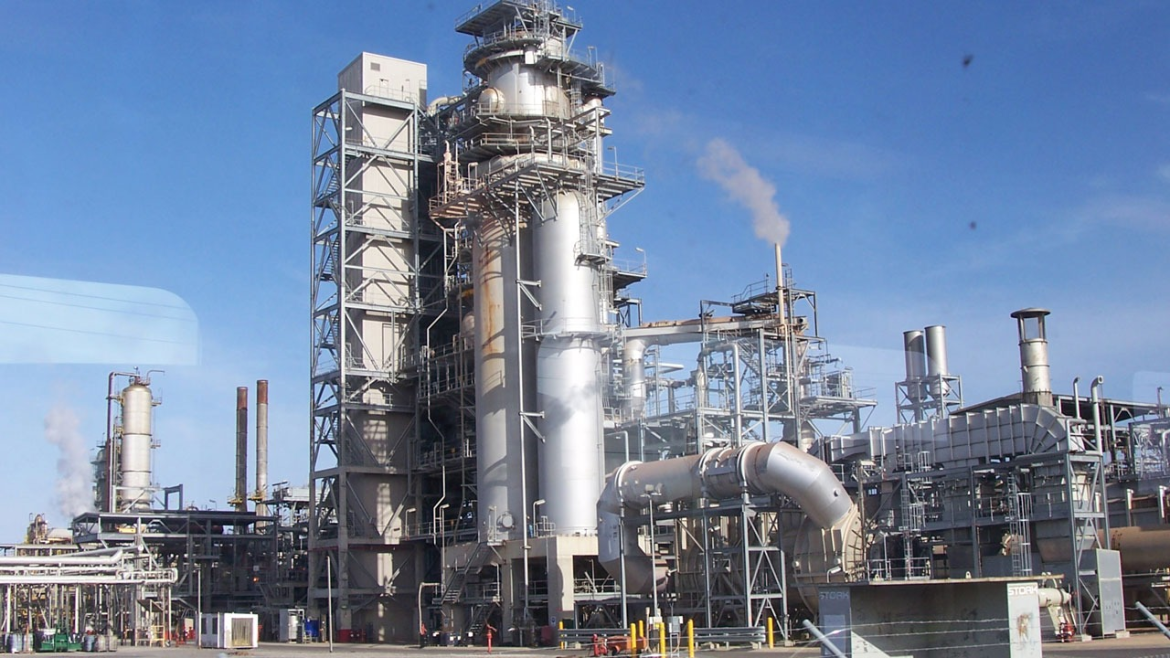
The Dangote Refinery, Africa’s largest oil processing facility, will transition to using only Nigerian crude by the end of 2025, according to Devakumar Edwin, Vice President of Dangote Industries.
The $20 billion refinery—owned by Aliko Dangote, Africa’s richest man—currently processes 650,000 barrels of oil per day.
In June 2025, the facility sourced approximately 53% of its crude from Nigerian producers, with the remainder imported from countries such as the United States, Brazil, Angola, Ghana, and Equatorial Guinea.
That domestic share is set to rise significantly in the coming months, as more Nigerian suppliers opt to sell directly to the refinery rather than fulfill export obligations.
“We expect some of the long-term export contracts to expire. Personally, and as a company, we believe that before the end of this year, we can transition to 100% local crude,” Edwin told Bloomberg.
The refinery, which began operations in early 2024 after years of construction delays, is already producing a range of petroleum products including diesel, gasoline, aviation fuel, and naphtha.
With a capacity greater than the combined output of the ten largest refineries in Europe, it represents a major shift in Nigeria’s energy landscape.
Though still ramping up to full capacity, the Dangote Refinery has helped position Nigeria as a net exporter of refined petroleum products—reversing decades of fuel import dependency. However, initial production was heavily reliant on imported crude due to gaps in local supply.
Improved coordination between the refinery, Nigerian crude traders, and the government is expected to stabilize domestic sourcing.
Edwin emphasized the importance of boosting local production to meet the plant’s needs, especially as processing volumes reach 550,000 barrels per day.
As Nigeria works to strengthen its downstream oil industry, the Dangote Refinery is seen as a strategic asset in achieving energy security and reducing the country’s exposure to volatile global markets.
Transitioning to full reliance on Nigerian crude not only supports local producers but also enhances national revenue and foreign exchange retention.
By the end of 2025, the facility is expected to be fully integrated into Nigeria’s domestic supply chain—cementing its role as a cornerstone of the country’s energy transformation.