
Tanzania Nears $42 Billion LNG Deal, Strengthening Bid to Become East Africa’s Energy Hub
Tanzania is edging closer to securing one of Africa’s largest energy investments, as negotiations for a $42 billion liquefied natural gas (LNG) project approach their final stages.
The development is expected to play a pivotal role in the country’s ambition to establish itself as a leading energy hub in East Africa.
Finance Minister Khamis Mussa Omar indicated that discussions with investors are nearing completion, following delays that pushed the expected signing date beyond the initial June target.
The project is being spearheaded by global energy companies Equinor and Shell, alongside ExxonMobil, Pavilion Energy, Medco Energi, and the state-owned Tanzania Petroleum Development Corporation.
The LNG venture will unlock an estimated 47.13 trillion cubic feet of natural gas reserves, significantly boosting Tanzania’s position in the regional energy sector.
While most of the gas production is expected to be exported to international markets, a portion will be allocated to support domestic energy needs.
The project aligns with broader regional energy developments, including neighboring Uganda’s plans to begin crude oil exports through Tanzania’s Port of Tanga in early 2027. Together, these initiatives are expected to enhance East Africa’s importance in global energy markets.
Expanding Power Capacity
Alongside its LNG ambitions, Tanzania is pursuing an aggressive strategy to expand electricity generation.
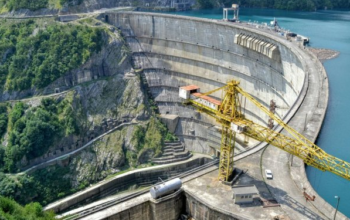
The government aims to nearly double installed power capacity to 8,000 megawatts by 2030 while increasing the contribution of cleaner energy sources to approximately 75% of the country’s energy mix. These sources include hydropower, solar, wind, and natural gas.
Authorities are also working to attract greater international investment into infrastructure and energy projects capable of generating sustainable revenue streams.
The strategy is intended to reduce dependence on external aid while supporting long-term economic growth.
To strengthen public financing, Tanzania has introduced reforms aimed at opening its domestic debt market to foreign investors.
Recent measures include expanded access to local bonds, the establishment of a sovereign yield curve, and initiatives to encourage greater corporate debt issuance.
The government has yet to decide whether it will issue an international bond, while the central bank continues to assess the risks and opportunities associated with increased foreign participation in local financial markets.
With domestic revenue now funding roughly two-thirds of the country’s 62.3 trillion shilling ($23.7 billion) budget, Tanzania is increasingly focused on strengthening its financial independence as foreign development assistance declines.
The government is also evaluating the possibility of entering a new lending programme with the International Monetary Fund following the conclusion of its previous $1.7 billion arrangement.
As negotiations move closer to completion, the LNG project stands as a cornerstone of Tanzania’s broader economic transformation strategy, with the potential to reshape the country’s energy sector and elevate its role in East Africa’s rapidly evolving energy landscape.