Nasan Energies to Become Namibia’s Third-Largest Fuel Retailer After Approval to Acquire 52 Engen and Shell Service Stations
Nasan Energies (Pty) Ltd has received regulatory approval to acquire 52 Engen- and Shell-branded fuel service stations from Vivo Energy Namibia, marking a significant development in Namibia’s downstream petroleum sector.
The approval was granted by the Namibia Competition Commission following a stakeholder consultation process, clearing the way for the transfer of a substantial portion of Vivo Energy’s retail network to the local operator.
The assets form part of a broader divestment programme initiated by Vivo Energy after its 2024 acquisition of Engen Limited from Petronas, a transaction that included Engen’s operations in Namibia.
The deal covers 52 service stations, comprising:
- 18 company-owned sites
- 8 leased outlets
- 26 dealer-owned locations
Upon completion of the transaction, Nasan Energies is expected to operate 73 fuel stations out of approximately 266 nationwide, positioning the company as the third-largest fuel retailer in Namibia, behind Vivo Energy and Puma Energy.
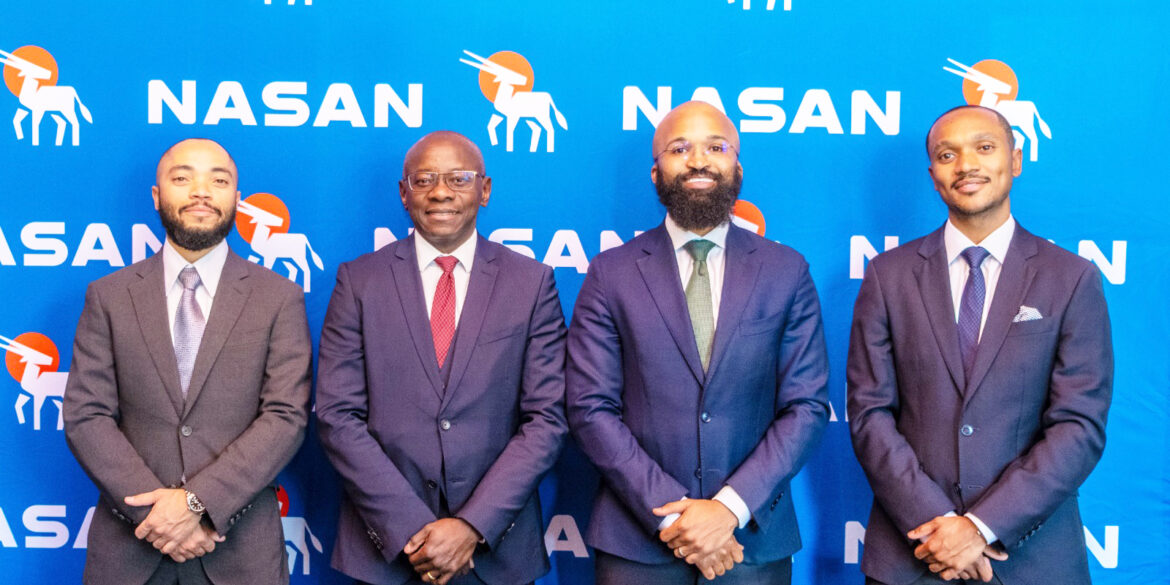
Nasan Energies is majority-owned by Millennium Falcon Investments, controlled by businessman Miguel Hamutenya, who holds a 70% stake, while the remaining 30% is owned by Tobico Holdings.
Managing Director Jean-Blaise Ollomo confirmed that the company will move forward with implementation following regulatory clearance.
He noted that engagement with dealers and key stakeholders will begin immediately to finalize the transition process.
Co-founder Miguel Hamutenya also indicated that rebranding of the acquired service stations is scheduled to begin at the end of March, marking the start of the operational integration phase.
The acquisition introduces a locally controlled operator at scale into Namibia’s fuel retail market, a sector historically dominated by multinational energy companies.
Nasan Energies stated that the transaction aligns with its long-term strategy to expand its national footprint, enhance service delivery standards and increase participation by local suppliers across the fuel value chain.
Integration of the newly acquired sites into the company’s network is expected to begin in the coming weeks, signaling a new phase of competition and localization within Namibia’s downstream petroleum industry.