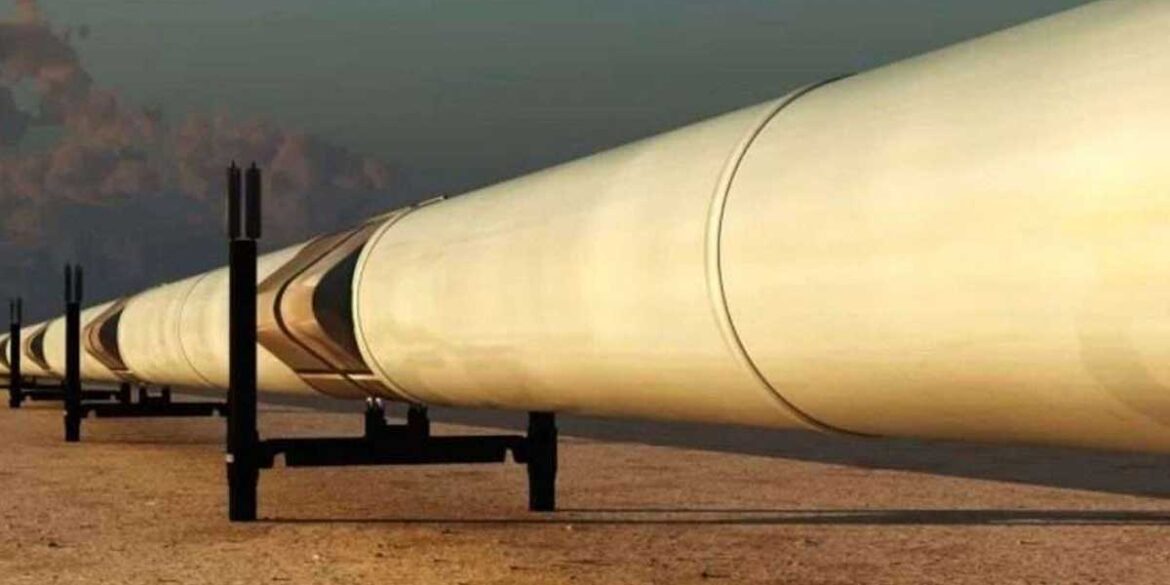
Algeria Moves Forward on $13 Billion Trans-Sahara Gas Pipeline Linking Nigeria to Europe via Niger
Algeria has dispatched a technical delegation from its state-owned energy company, Sonatrach, to Niger to advance preparations for the long-delayed Trans-Sahara Gas Pipeline, a major regional energy project intended to transport natural gas from West Africa to European markets.
Africa’s third-largest oil producer is accelerating efforts to implement the project, which is designed to strengthen export capacity and diversify energy supply routes to Europe.
According to the official Algerian press agency, the recent visit focused on technical coordination and operational planning ahead of the next phase of project development following the Ramadan period.
A Decades-Old Project Nearing Implementation
First proposed in the 1970s, the Trans-Sahara Gas Pipeline aims to connect gas reserves in Nigeria to Algeria’s major gas hub at Hassi R’Mel Gas Field, one of the largest natural gas fields in Africa.
From there, the gas would flow into Algeria’s established pipeline network supplying European markets, including Italy and Spain.
The proposed pipeline will stretch approximately 4,100 kilometers across Nigeria, Niger, and Algeria, positioning it among the longest gas pipelines in the world.
Analysts note that the project has faced repeated delays over several decades due to financing constraints, security risks in transit regions, and complex cross-border regulatory requirements, despite feasibility studies confirming its technical and commercial viability.
Strategic Capacity and Regional Impact
The pipeline is estimated to cost around $13 billion and is expected to transport up to 30 billion cubic meters of natural gas annually once operational.
This capacity could significantly expand Africa’s role in global energy markets and provide Europe with an additional source of gas supply amid ongoing efforts to diversify energy imports.
President Abdelmadjid Tebboune has confirmed that Sonatrach will lead the construction and operational management of the project, underscoring the company’s central role in Algeria’s energy strategy and its position as one of the world’s major natural gas producers.
Algeria exported approximately 54 billion cubic meters of natural gas in 2021, primarily to European markets.
The addition of the Trans-Sahara pipeline could substantially increase export volumes and strengthen the country’s role as a strategic energy supplier.
Opportunities for Nigeria and Niger
For Nigeria and Niger, the project represents a major opportunity to monetize natural gas reserves, expand regional infrastructure, and generate long-term transit and export revenues.
Energy analysts emphasize that the pipeline could:
- enhance regional energy security
- deepen economic cooperation between West and North Africa
- stimulate infrastructure investment along the corridor
- increase Africa’s integration into global energy supply chains
A Transformational Regional Energy Corridor
With technical coordination now underway, the Trans-Sahara Gas Pipeline appears closer to implementation than at any point in recent years.
If completed, the project could finally realize a decades-old vision of a transcontinental gas corridor linking West Africa to Europe.
Such a development would reshape regional energy dynamics, strengthen cross-border economic ties, and position African gas as a more prominent component of the global energy transition.