Angola Spends Nearly $1 Billion on Fuel Imports in Q3 as Government Pushes Refining Capacity Growth
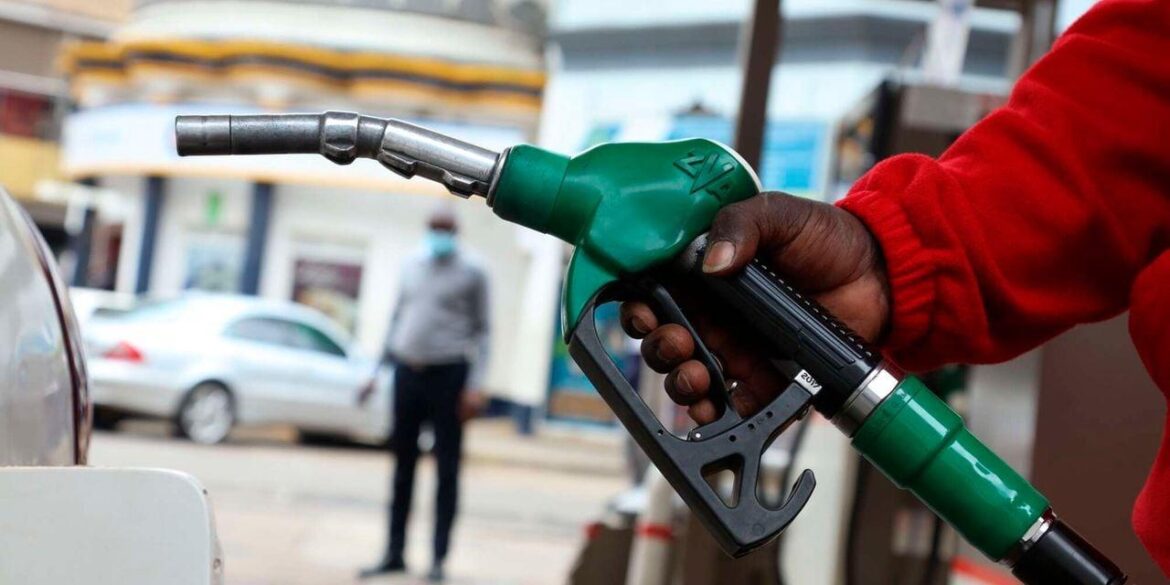
Angola spent approximately $1 billion on fuel imports during the third quarter, highlighting the country’s continued reliance on imported petroleum products despite being one of Africa’s leading crude oil producers.
The expenditure underscores a long-standing challenge within Angola’s energy sector: while the country exports significant volumes of crude oil, domestic refining capacity remains insufficient to meet national demand for fuels such as diesel, gasoline, and other refined products.
As a result, the country continues to allocate substantial foreign currency resources to fuel imports.
According to official data, fuel imports remain a major component of Angola’s energy expenditure, reflecting growing domestic demand driven by economic activity, transportation needs, and industrial development.
The import bill also places pressure on government finances and reinforces the urgency of expanding local refining infrastructure.
To address this imbalance, Angola has prioritized investments in downstream petroleum projects, including the development and modernization of refineries aimed at reducing dependence on imported fuels.
Strategic projects such as the Lobito Refinery, alongside efforts to increase production from existing facilities, are expected to strengthen the country’s energy security and lower import costs over the long term.
The government has identified refining capacity expansion as a key pillar of its energy strategy, seeking to retain more value within the domestic economy while creating jobs and supporting industrial growth.
Increased local production of refined fuels could also improve supply stability and reduce exposure to fluctuations in international fuel markets.
Energy analysts note that reducing fuel imports would not only ease pressure on foreign exchange reserves but also enhance Angola’s ability to meet domestic energy needs more efficiently.
The continued investment in refining infrastructure is therefore viewed as critical to the country’s broader economic diversification agenda.
While crude oil exports continue to generate billions of dollars in revenue for Angola, the near-$1 billion spent on fuel imports during the quarter highlights the importance of accelerating downstream investments to maximize the benefits of the nation’s hydrocarbon resources.