
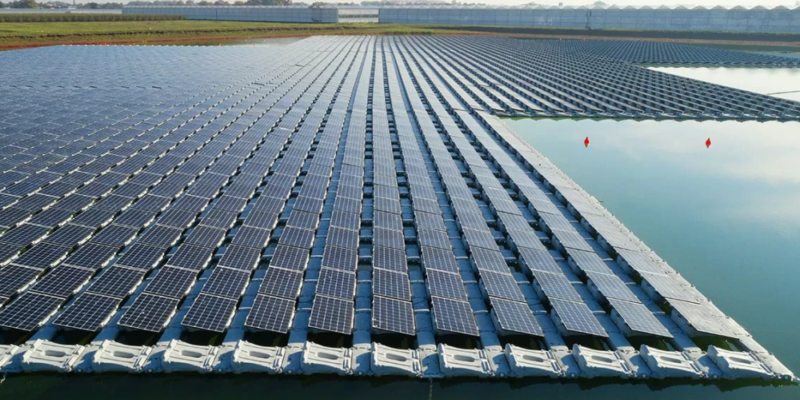
Zimbabwe to Build 600MW Floating Solar Power Plant on Lake Kariba to Tackle Energy Shortages
Zimbabwe plans to begin construction of a floating solar power plant on Lake Kariba, the world’s largest man-made reservoir, as part of a renewed effort to address persistent electricity shortages and diversify its energy mix.
Information Minister Jenfan Muswere said construction of the first phase of the 600-megawatt project is expected to start in the second quarter of 2026, according to a Bloomberg report.
The initiative forms part of the government’s broader strategy to reduce reliance on hydropower, which has become increasingly vulnerable to prolonged droughts linked to climate change.
While the long-term objective is to install solar panels directly on the surface of Lake Kariba, the initial phase of the project will be developed on land adjacent to the reservoir, Agriculture Minister Anxious Masuka said. As Lake Kariba is jointly shared by Zimbabwe and Zambia, implementation of the project will require approval from both governments.
Afreximbank Backs Feasibility Study
In June, Zimbabwe’s largest electricity consumers, operating through a consortium, announced they had secured $4.4 million from the African Export–Import Bank (Afreximbank) to finance a comprehensive feasibility study for the project.
The full development, which is expected to be completed by 2031, is estimated to cost approximately $650 million, according to Masuka.
Zimbabwe continues to experience chronic power shortages, a situation that worsened last year after severe drought conditions significantly reduced water levels at the Kariba Dam. The dam typically supplies about half of the country’s electricity needs.
Currently, Zimbabwe generates around 550 megawatts from the Kariba hydropower station, well below its installed capacity of 1,050 megawatts, underscoring the urgency of investing in alternative and more climate-resilient energy sources.