João Lourenço Highlights Angola’s Oil Sector Progress; Experts Call for Acceleration Amid Global Energy Transition
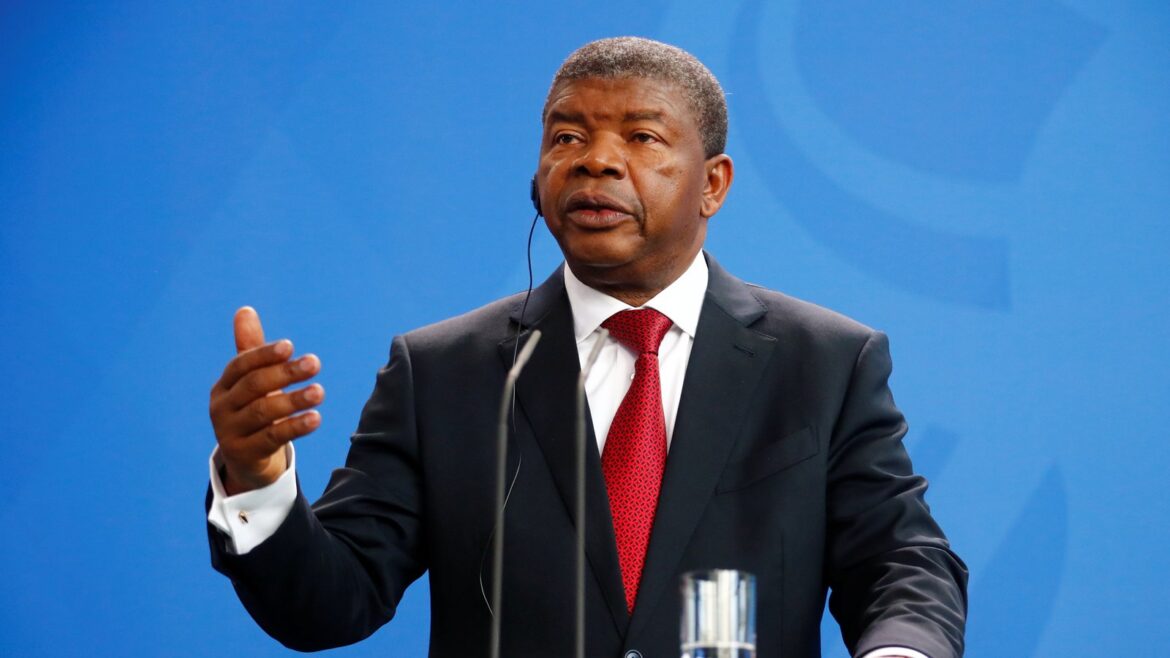
Luanda, Angola — In his State of the Nation Address marking the opening of the 2025–2026 parliamentary year, President João Lourenço outlined the progress achieved through ongoing reforms in Angola’s oil and gas sector, emphasizing the country’s commitment to energy development and economic diversification.
The President highlighted the successful implementation of the 2019–2025 Oil Concession Allocation Strategy, which has already resulted in the allocation of 37 new oil concessions by the first half of 2025, with additional contracts currently under negotiation.
He also reaffirmed that the 2020–2025 Hydrocarbons Strategy remains a cornerstone of the country’s exploration agenda, aimed at discovering new oil and natural gas reserves.
“This strategy has already led to the drilling of more than 30 exploration wells, several of which have resulted in new commercial discoveries and expanded our opportunities for further exploration,” Lourenço said.
Experts Call for Faster Reforms
President Lourenço’s remarks align with recent recommendations by economist Arsénio Bumba, who has urged the government to accelerate oil block licensing to maximize national revenues and fund broader economic diversification.
According to Bumba, Angola has a limited window of 20 to 25 years to make the most of its oil and gas resources before global demand begins to decline due to the global energy transition toward carbon neutrality.
“The global energy transition is inevitable. The time to act is now. Every lost year is a wasted opportunity. Angola’s future depends on the decisions we make today,” Bumba warned.
The economist emphasized that while oil remains Angola’s main revenue source, extraordinary earnings from the sector should be strategically invested in developing new engines of growth — including agriculture, agribusiness, industrial manufacturing, technology, digital innovation, sustainable tourism, and education.
“Investing in these strategic sectors will position Angola among the five largest African economies by 2050,” he said, “with a diversified and modern production base capable of supporting a population exceeding 50 million.”
Oil as a Catalyst for Diversification
President Lourenço’s emphasis on the results of Angola’s concession policies and hydrocarbons strategy underscores a shared vision with national experts: oil revenues must serve as a catalyst for diversification and sustainable development while the opportunity still exists.
As the world transitions to cleaner energy sources, Angola’s proactive approach — combining exploration expansion, foreign investment attraction, and policy reform —aims to ensure that oil wealth supports long-term national transformation rather than short-term gains.
With global energy markets evolving rapidly, Angola faces a narrowing window to capitalize on its vast oil and gas potential.
President Lourenço’s focus on expanding concessions and discovery efforts — alongside calls from economists like Arsénio Bumba for accelerated reform — signals a strategic race to convert petroleum profits into a diversified, resilient, and future-ready economy.