South Africa Grants Long-Term Durban Oil Hub Leases to BP, Shell, and Vitol Amid Import Dependence
South Africa has granted multinational oil majors and traders—including BP, Shell, and Vitol—extended leases at its key petrochemical hub in Durban, ending years of uncertainty over short-term contracts that had threatened investment and supply security.
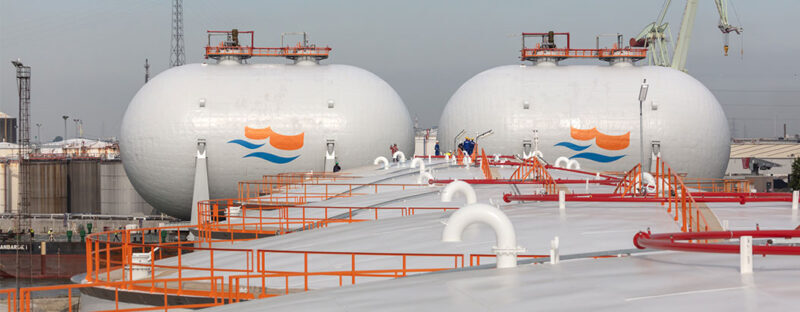
The decision, announced by the Transport Ministry, allows the companies long-term access to the Island View Precinct at Durban port, which handles about 70% of the country’s fuel imports.
The leases were approved under Section 79 of the National Ports Authority Act, enabling Transport Minister Barbara Creecy to bypass regulatory hurdles “in the national interest,” according to Reuters.
For industry players, the deal offers long-awaited stability. “This is in our favour. Remember we wanted a long-term tenure, so we got that,” said Fani Tshifularo, CEO of the Fuels Industry Association of South Africa.
But the outcome also reinforces the dominance of foreign energy giants over South Africa’s fuel supply chain. BP and Shell, both headquartered in London, and Geneva-based Vitol already control a large share of the country’s import and storage capacity.
Their influence grew after BP and Shell shut down the Sapref refinery in 2022, later selling it to the state-owned Central Energy Fund and pivoting fully to imports.
Analysts warn that while the lease extensions secure investment and ensure supply in the short term, they also deepen South Africa’s reliance on companies based thousands of miles away.
The trend mirrors a wider African paradox: despite being rich in crude oil, the continent remains dependent on foreign refiners and traders for finished fuel products.
This imbalance is not unique to South Africa. Across Africa, underinvestment in refining has left markets exposed to international oil majors and trading houses.
Earlier this year, consultancy CITAC reported that South Africa overtook Nigeria as Africa’s largest petrol importer.
In the first quarter of 2025, South Africa imported 4.2 million tonnes of fuel, while Nigeria’s imports dropped to 3.1 million tonnes as the Dangote Refinery ramped up production.
Short-Term Stability, Long-Term Dependency
Supporters argue that the leases will reassure investors and strengthen supply security at a time of global trade volatility.
However, critics caution that without major domestic investment in refining and distribution, South Africa risks locking itself into long-term dependency.
Energy consultancy CITAC has warned that the country’s shrinking refining capacity—cut by more than half in recent years—will make it increasingly vulnerable to shifts in global markets.
Unless South Africa scales up domestic infrastructure, analysts say, foreign oil majors and trading houses will continue to dominate its energy future.