Shell Signs Angola Oil Deal After 20-Year Exit, Joining Chevron and Sonangol in Block 33
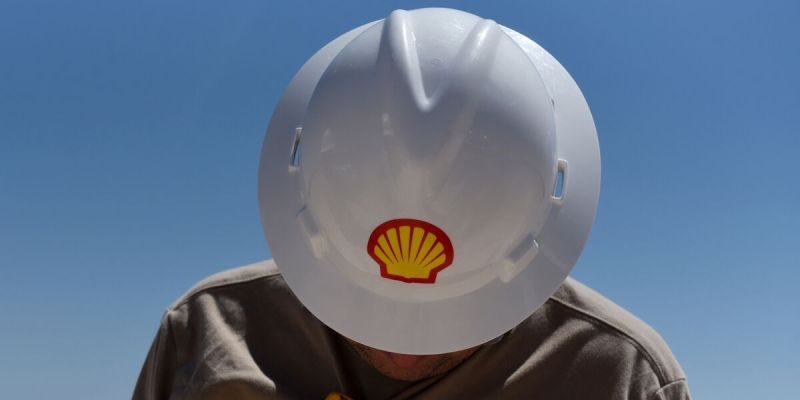
Shell Plc has returned to Angola’s oil sector after a two-decade absence, a move that signals renewed global confidence in the country’s energy industry following sweeping reforms aimed at attracting foreign investment.
The Anglo-Dutch energy giant, together with Chevron Corp. and state-owned Sonangol EP, signed agreements with Angola’s National Agency of Petroleum, Gas and Biofuels (ANPG) for exploration rights in Block 33 of the Congo Basin, according to ANPG board member Alcides Andrade.
“Shell’s comeback reflects the success of reforms introduced since 2019, including streamlined licensing, improved tax terms, and a more transparent investment environment,” Andrade said.
As Africa’s third-largest oil producer, Angola has been under pressure to reverse a steep production decline that has eroded government revenues. In July, national output dropped below one million barrels per day for the first time since the country exited OPEC in 2023, Bloomberg reported.
The government’s reform push—centered on modernizing regulations and opening up to international players—aims to stabilize production and revive investor interest.
At the same energy conference, ANPG also announced new agreements for Block 24 in the Kwanza Basin, where Sonangol will operate alongside partners Acrep and Red Sky Energy.
Petroleum Minister Diamantino Azevedo added that Angola will launch a bidding round for five more oil blocks before the end of 2025. These are part of an initial set of 10 blocks, with the remaining five already awarded through direct negotiations with undisclosed companies.
Refinery Project Nears Completion
Beyond exploration, Angola is also investing in downstream capacity. The long-delayed Cabinda oil refinery—the first to be built since independence nearly 50 years ago—is expected to begin producing fuel before the end of 2025.
With a planned capacity of 30,000 barrels per day, the facility will become Angola’s second refinery. It is expected to reduce reliance on costly fuel imports at a time when the government is phasing out subsidies that have previously triggered violent protests.