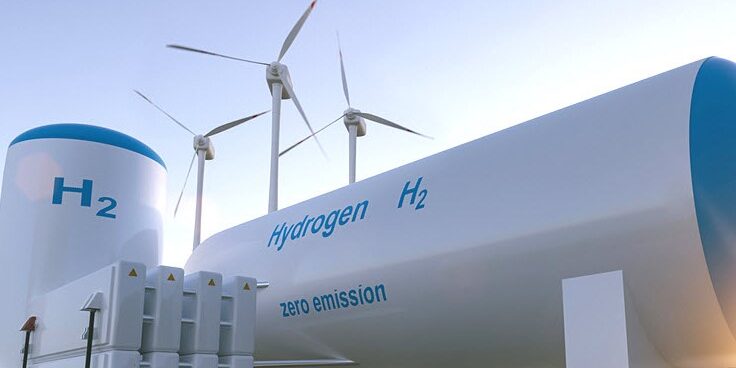
Namibia Leads Africa’s Green Hydrogen Revolution with First Iron Plant, Refuelling Hub, and Hydrogen Village
Namibia’s much-publicised green hydrogen strategy is no longer just a bold vision—it is already delivering tangible results through operational pilot projects that are attracting global attention.
In only a few years, the country has launched Africa’s first green direct-reduced iron plant, is building its first commercial hydrogen refuelling station, and has rolled out an innovative hydrogen village to power agriculture and rural communities.
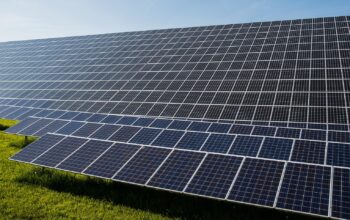
The HyIron Oshivelo project in the Erongo region is one of Namibia’s most visible successes. In April 2025, it produced Africa’s first batches of green direct-reduced iron, using a 12 MW solar-powered electrolyser.
The pilot facility can produce 15,000 tonnes of zero-carbon iron annually, avoiding emissions from coal-based reduction.
Built in less than a year at a cost of about N$600 million, it is already exploring a scale-up that could boost production to 1 million tonnes per year—potentially cutting 1.8 million tonnes of CO₂ annually while showcasing sustainable value addition to Namibia’s minerals.
Meanwhile, the Cleanergy Solutions Namibia project in Walvis Bay is nearing completion as the country’s first commercial hydrogen production and refuelling hub.
A joint venture between Ohlthaver & List and Belgian firm CMB.TECH, the facility combines a 5 MW solar array, battery storage, electrolyser, and a public refuelling station.
Commissioning is scheduled for 2025, with practical applications ranging from decarbonising trucks and port equipment to powering maritime vessels. The project also hosts a hydrogen academy to train Namibians in cutting-edge technologies.
Inland, the Daures Green Hydrogen Village has become Namibia’s first integrated, community-scale hydrogen project.
It produces green ammonia for agriculture while demonstrating hydrogen-powered energy solutions for rural areas. Supported by German and international grant funding, it has become a model for food security, job creation, and clean energy access in arid regions.
Namibia’s green hydrogen strategy, first unveiled in 2021, promised to harness world-class solar and wind resources to create a new export industry, diversify the economy, and generate thousands of jobs.
Flagship among these plans is the US$10 billion Hyphen Hydrogen Energy project, aiming to produce 300,000 tonnes of green hydrogen annually for export to Europe and Asia.
While the government has secured international support—including a €40 million German grant and cooperation agreements with the EU—the Hyphen mega-project still faces hurdles around financing, land use, environmental approvals, desalination, and port upgrades.
Critics warn that an export-heavy focus risks sidelining local development, echoing past extractive industries.
Authorities maintain that benefits for Namibians—through affordable renewable power, desalinated water, new industries, and jobs—are central, though concrete delivery mechanisms are still being finalised.
Despite the challenges, Namibia’s pilot projects demonstrate real progress. They are training engineers, creating supply chains, and proving that green hydrogen can be both technically viable and economically valuable.
The coming years will test whether Namibia can scale up from pioneering pilots to billion-dollar exports, requiring sustained policy support, major infrastructure investment, and inclusive local development.
For now, Namibia stands as Africa’s green hydrogen trailblazer, with a green iron plant already producing, a hydrogen hub about to open, and a hydrogen village powering rural transformation.