Cameroon Launches $400M Plan to Restart Sonara Refinery by 2027 After 2019 Fire
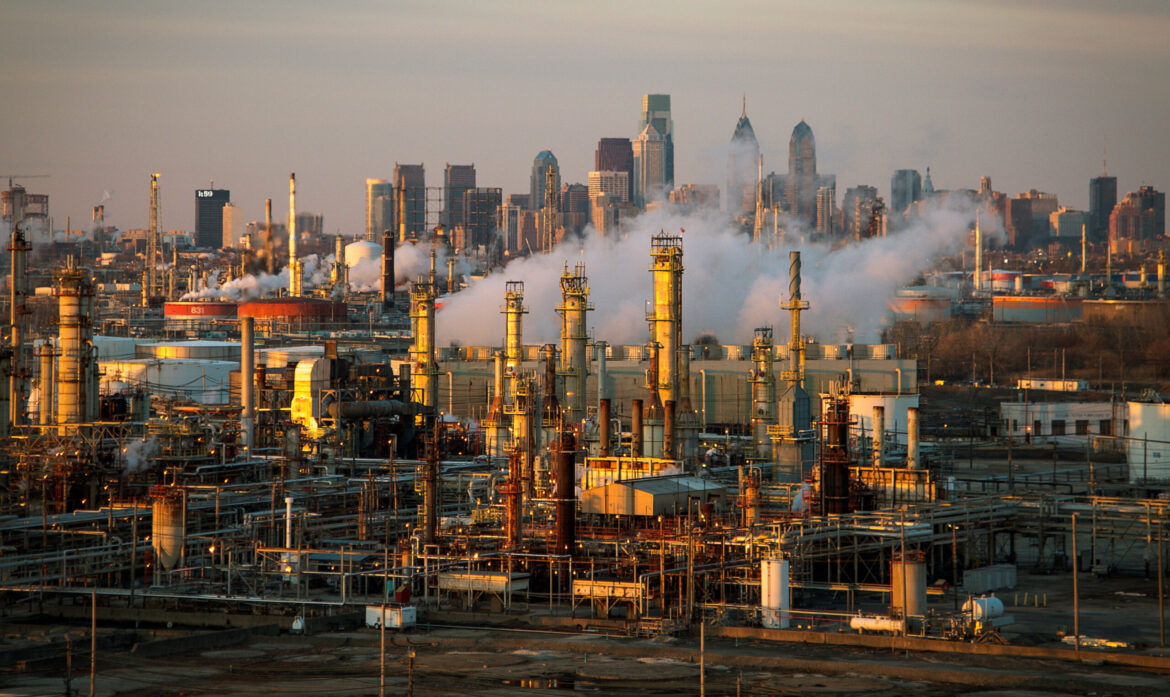
Cameroon’s 42,000-barrel-per-day Sonara refinery, shuttered since a devastating fire in 2019, is set for rehabilitation under a new government-backed program aimed at restoring the country’s refining capacity by 2027.
The recovery framework, known as Parras 24, was formally approved during a board meeting on August 13.
It sets out a 24-month roadmap for restructuring and repairs to revive operations at the country’s only refinery, considered a cornerstone of Central Africa’s energy supply chain.
Sonara officials emphasized that government support will be essential to overcome the refinery’s financial and operational challenges.
In a statement, the company said the plan seeks “to relaunch Sonara’s core functions and ensure the continuity of petroleum product supply.”
The operator also assured customers that markets will remain adequately supplied during the rehabilitation phase: “The supply of refined products on the national and international market will continue in both quantity and quality until the full restart of the refinery.”
The project faces steep costs, with repairs estimated at more than CFA250 billion ($400 million). By 2021, Sonara had already accumulated debts of CFA376 billion, underscoring the scale of its financial strain.
The 2019 fire destroyed four key units, forcing Cameroon to rely almost entirely on fuel imports to cover domestic demand.
With an annual capacity of 2.1 million tonnes, Sonara is the sole refinery serving the national market, making its recovery vital for energy security.
Delays in rehabilitation could deepen supply vulnerabilities, drive up import costs, and put additional pressure on foreign exchange reserves and the trade balance.
Beyond financing, the refinery still requires extensive modernization, technical upgrades, and supply chain restructuring to ensure long-term competitiveness and compliance with cleaner fuel standards.
Analysts note that restoring Sonara could reduce Cameroon’s dependence on imports, stabilize local fuel prices, and strengthen its position in regional energy markets.
Refining capacity across West and Central Africa remains well below demand, with Nigeria still reliant on imports despite the new Dangote refinery, while smaller plants in Chad, Gabon, and Congo-Brazzaville operate far under capacity.
If successfully revived, Sonara’s 42,000 bpd facility could help narrow the regional supply gap, reduce reliance on European imports, and reinforce Cameroon’s role as a key Gulf of Guinea energy supplier.