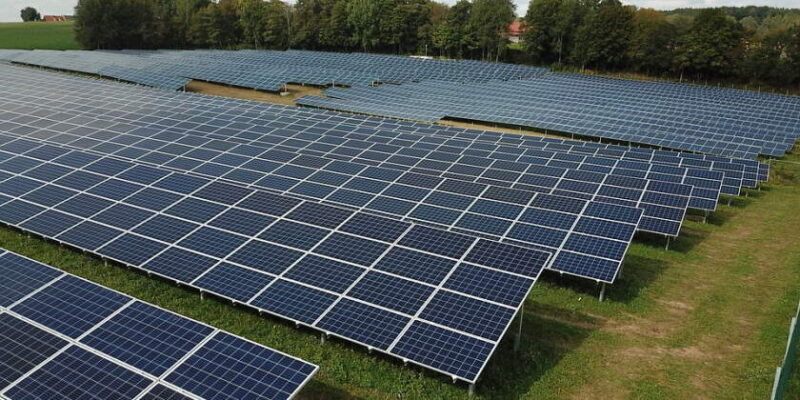
AMEA Power, in collaboration with the International Finance Corporation (IFC) and the Egyptian government, is deploying Egypt’s first grid-scale Battery Energy Storage System (BESS).
This landmark project marks a significant step toward stabilizing the national grid and accelerating the country’s transition to renewable energy.
To fund the initiative, IFC has committed a $72 million loan to the Abydos Solar Project Company, a subsidiary of AMEA Power.
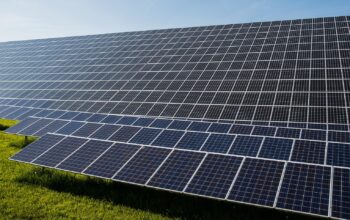
The financing supports the integration of a 300 MWh battery storage system with the 500 MWac Kom Ombo solar plant in Aswan, which began operations in November 2024. IFC also helped finance the solar plant’s development in 2022.
Now in the commissioning phase, the battery system is expected to go online by July 2025. Once operational, it will deliver approximately 100,000 MWh of clean energy annually—avoiding nearly 20,000 tons of carbon emissions each year.
This is also the first battery project under Egypt’s 4 GW Emergency Renewable Energy Program, designed to meet rising electricity demand while reducing reliance on natural gas imports.
Hussain Al Nowais, Chairman of AMEA Power, praised the project as a major milestone that demonstrates the company’s capability to rapidly develop large-scale renewable energy projects in partnership with local stakeholders.
He noted that the achievement follows the successful commissioning of AMEA’s 500 MW wind farm in Egypt, reinforcing the company’s contribution to the country’s clean energy goals.
Makhtar Diop, IFC Managing Director, emphasized the significance of strategic infrastructure investments, particularly during peak summer demand.
He called the battery project a model for how innovation and collaboration can build cleaner and more reliable energy systems.
This battery storage project also advances Egypt’s climate and development objectives, including those outlined in the Nexus of Water, Food, and Energy (NWFE) platform and the World Bank Group’s 2023–2027 Country Partnership Framework, which prioritize job creation, environmental resilience, and inclusive economic growth.
Since 2017, Egypt has added more than 4.9 GW of renewable energy capacity, supported by the World Bank Group and other development finance institutions.
IFC has been a key player, backing major projects such as the 1.4 GW Benban Solar Park, the 252 MW West Bakr Wind Farm, and AMEA Power’s dual 500 MW solar and wind developments.
Active in Egypt since 1975, IFC has invested nearly $10 billion across sectors including infrastructure, climate, fintech, manufacturing, gender equity, and healthcare. Its current advisory portfolio in the country is valued at approximately $25 million.
With the launch of its first grid-scale BESS, Egypt is not only addressing immediate energy needs but also setting the foundation for a sustainable, resilient, and low-carbon future.