South Africa Proposes 60-Day Strategic Oil Reserve Plan to Protect Against Global Supply Disruptions
South Africa is planning a major expansion of its strategic petroleum reserves for the first time in decades as the government seeks to strengthen the country’s energy security and protect against future global supply disruptions.
The Department of Mineral Resources and Energy (DMRE) has proposed maintaining strategic fuel reserves equivalent to 60 days of national consumption under a draft policy released for public comment.
The plan would see crude oil account for about 70% of the strategic stockpile, while the newly established South African National Petroleum Company (SANPC) would oversee the remaining refined petroleum products.
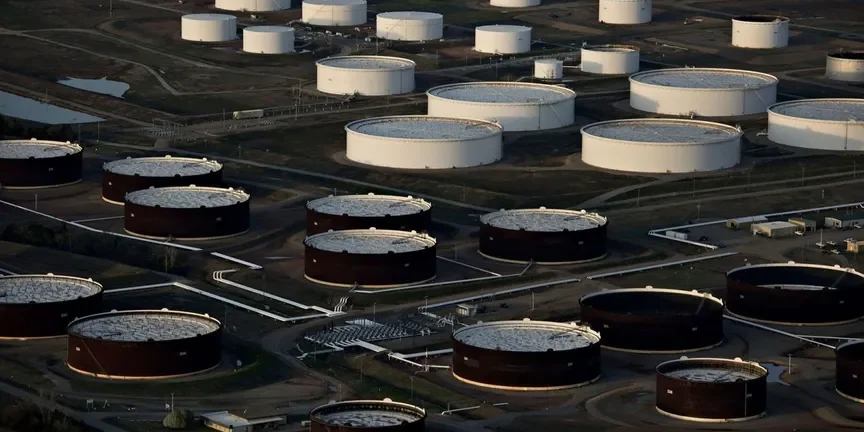
South Africa currently consumes more than 600,000 barrels of oil per day, meaning the proposed 60-day reserve would require storage capacity of approximately 36 million barrels of crude oil.
In addition to government-held strategic reserves, licensed fuel importers and distributors would be required to maintain 21 days of commercial fuel stocks, creating an additional buffer against supply disruptions.
The DMRE said the National Treasury and SANPC would develop financing mechanisms to fund and guarantee the strategic petroleum reserve programme.
The move reflects growing concerns among governments worldwide about energy security following geopolitical tensions and disruptions to global oil supply chains.
Recent conflicts and instability in key energy regions have highlighted the risks associated with relying heavily on international fuel markets.
South Africa previously maintained significant strategic oil reserves, including the large Saldanha Bay storage facility developed during the apartheid era when international sanctions raised concerns about fuel security. However, national stock levels have declined over the years.
The country’s energy vulnerability has increased due to refinery closures and greater dependence on imported petroleum products.
In 2015, the government sold nearly 10 million barrels of crude oil from strategic reserves, a transaction later found to have been unlawful.
Officials have warned that major fuel supply disruptions could have severe economic consequences, potentially costing the economy billions of rand through transport interruptions, higher costs and reduced industrial activity.
South Africa’s planned reserve expansion follows similar moves by other African countries seeking greater energy independence. Morocco is investing in additional fuel storage capacity, Uganda is expanding petroleum infrastructure, and Ghana is encouraging greater use of locally produced crude in domestic refineries.
Across the continent, private investors are also expanding refining and storage capacity, including projects led by Nigerian industrialist Aliko Dangote.
The proposed strategic reserve policy represents a renewed effort by South Africa to improve energy resilience, stabilize fuel supplies and reduce exposure to external shocks in global oil markets.