Angola and Namibia Advance 860 MW Baynes Hydropower Project as Financing Plans Take Shape
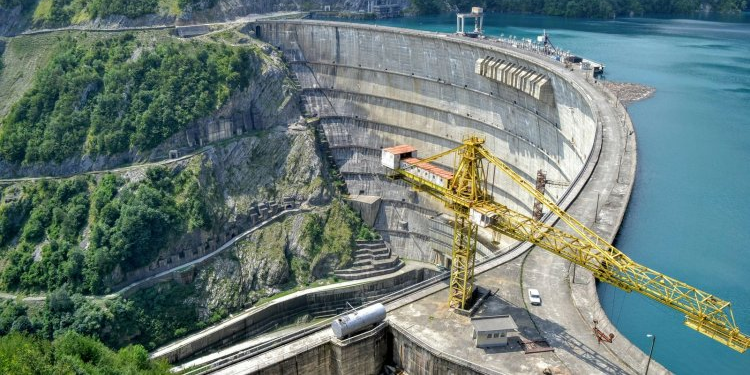
Angola and Namibia are working to accelerate the construction of the Baynes Binational Hydropower Project, a US$1.5 billion development on the Cunene River expected to strengthen electricity supply and energy security in both countries.
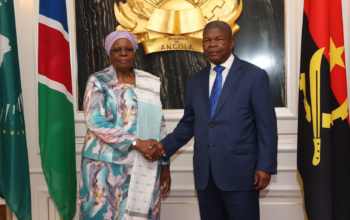
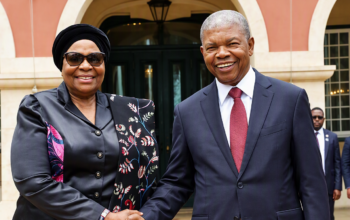
The energy ministers of the two countries met in Luanda on 16 October 2026 to discuss the project’s implementation schedule, financing arrangements and outstanding administrative requirements needed to move from planning to construction.
Angola’s Minister of Energy and Water, João Baptista Borges, said the governments wanted to advance the project as quickly as possible, emphasising its strategic importance to both countries.
He said the meeting aimed to establish clear timelines and identify the remaining tasks each government needed to complete before construction could begin.
The proposed hydropower development is designed to have an installed capacity of 860 megawatts (MW), with each country allocated 430 MW.
The project also includes a regulating dam intended to help manage river flows and mitigate environmental impacts.
Located along the border between Angola and Namibia, the main dam site lies approximately 185 kilometres downstream from the Ruacana hydropower station and 48 kilometres from Epupa Falls.
The project is expected to cost approximately US$1.5 billion, with the main dam and regulating infrastructure forming the core of the investment.
The two countries will share the costs equally, while associated infrastructure, including access roads and transmission lines, will be developed separately by each government.
Namibia’s Minister of Industries, Mines and Energy, Modestus Amutse, called for the project to move beyond years of studies and preparations into implementation.
He highlighted its importance to Namibia’s energy security, given the country’s continued reliance on imported electricity.
The governments have agreed to pursue a public implementation model, under which they will mobilise the necessary funding.
A financing strategy developed by the project implementation unit and its financial advisers is expected to be submitted to both governments for consideration.
The project has received technical and financial support from regional and international development partners, including the African Development Bank, the Swedish Fund, the Korean Fund and the African Legal Support Facility.
Electricity generated by the facility will be distributed equally between Angola and Namibia, with the project also expected to support regional power trading through the Southern African Power Pool.
The Baynes development is closely linked to the Angola-Namibia Electricity Interconnection Agreement, signed in April 2026 by Angola’s National Electricity Transmission Network and Namibia’s public utility, NamPower.
The planned interconnection is intended to facilitate electricity exchanges between the two countries and improve integration with the wider Southern African electricity network.
The project has been under consideration for decades. Initial studies examined hydropower development in the region during the 1990s, while feasibility studies for the Baynes site began in 2008.
An intergovernmental implementation agreement was signed in November 2024, establishing a framework for the two countries to advance the development.
However, financing arrangements and other preparatory requirements remain important steps before construction can proceed.
Once completed, the project is expected to increase electricity generation capacity, reduce reliance on external power supplies and create opportunities for employment and local businesses during construction.
It could also support economic activities in agriculture, tourism, transport and industry.
The latest ministerial discussions signal renewed efforts by Angola and Namibia to advance the project, although a definitive construction start date has yet to be confirmed.