DR Congo Plans US$100 Million UBA Credit Facility to Finance Fuel Imports from Dangote Refinery
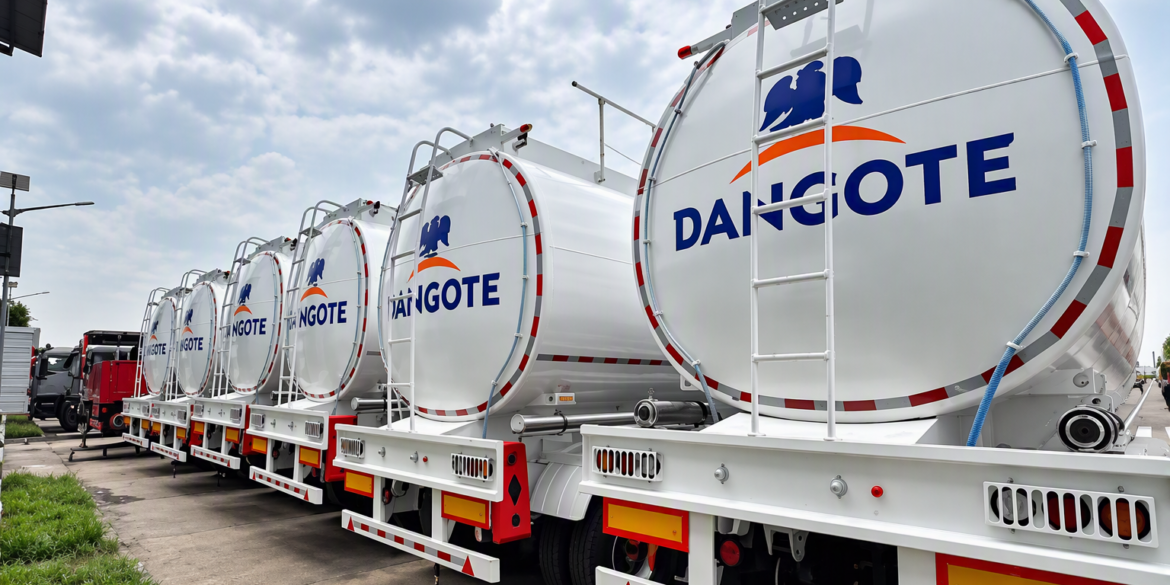
The Democratic Republic of the Congo (DRC) has approved a proposed fuel supply arrangement involving Nigeria’s Dangote refinery, the state-backed Congolese Refining Industries Company (SOCIR) and United Bank for Africa (UBA), as the government seeks to strengthen the country’s petroleum supply chain.
The arrangement was approved by the Council of Ministers on 9 October 2026 following a proposal presented by Deputy Prime Minister and Minister of the Economy Daniel Mukoko Samba.
The government also authorised the signing of an interministerial decree to establish the framework for implementation.
Under the proposed arrangement, Dangote Refinery has designated SOCIR as its operational intermediary for supplying petroleum products to the Congolese market.
SOCIR, in which the government holds a 50% stake, would coordinate the arrangement while UBA is expected to support fuel purchases through a revolving trade finance facility of up to US$100 million.
UBA has expressed interest in providing the financing, although negotiations over the facility’s terms are still ongoing.
SOCIR to Play a Central Role in Fuel Imports
Originally established to refine crude oil, SOCIR now primarily handles petroleum logistics, including the reception and storage of imported fuel products. The company has an estimated storage capacity of 185 million litres.
Its proposed role in the new arrangement would position it as a central intermediary between the DRC, Dangote Refinery and other participants in the domestic petroleum market.
The initiative follows reports of queues at some filling stations in Kinshasa. During the same Council of Ministers meeting, Prime Minister Judith Suminwa said the situation was caused by a temporary slowdown in deliveries to filling stations amid strong demand, rather than a nationwide fuel shortage.
The proposed framework is intended to establish a more direct supply channel from Nigeria, potentially helping the DRC diversify its sources of refined petroleum products and strengthen supply management.
Financing and Commercial Terms Yet to Be Finalised
Despite the government’s approval of the proposal, several details remain outstanding.
The interest rate, repayment schedule, duration of the proposed US$100 million credit facility and any required guarantees have not yet been disclosed.
The parties have also not announced the expected volumes of fuel to be purchased, the types of petroleum products involved or the pricing mechanism.
The potential effect on pump prices and the proportion of the DRC’s fuel demand that could be met through the arrangement also remain unclear.
Implementation depends on the formal appointment of SOCIR through an interministerial decree, government approval of the principal commercial terms and the conclusion of financing negotiations with UBA.
The government has indicated that the framework is intended to improve supply reliability while maintaining oversight of the commercial and financial arrangements.
If implemented, the initiative could give SOCIR a more prominent role in the DRC’s petroleum supply chain and establish a direct purchasing channel with one of Africa’s largest refineries.
However, its impact will depend on the final terms, the volume of fuel supplied and how the arrangement integrates with existing import channels.