Angola’s Electricity Access Reaches 51.1% as AfDB Flags Grid and Infrastructure Constraints
Angola has made significant progress in expanding electricity generation and renewable energy, but weaknesses in power transmission, distribution and grid connectivity continue to limit access to electricity and constrain the sector’s economic potential, according to the African Development Bank (AfDB).
The findings are contained in the bank’s Angola Development Effectiveness Review 2016–2025, presented in Luanda in September 2026 in partnership with the Ministry of Planning.
According to the report, electricity access increased from 41.8% of the population in 2016 to 51.1% in 2023, while electricity generation nearly doubled from 11 terawatt-hours (TWh) to 19 TWh over the same period.
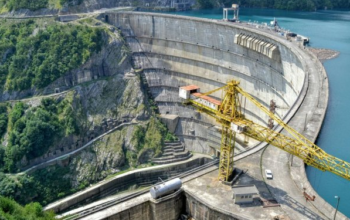
Investment in large hydropower plants also increased the share of renewable energy in Angola’s electricity mix from 52.6% to 76.3%, positioning the country among the region’s leading producers of renewable electricity.
Transmission and distribution losses improved modestly, declining from 10.6% to 9.6%. However, the AfDB noted that significant regional disparities persist, with infrastructure limitations preventing the country from fully capitalising on its growing generation capacity.
Tariffs and Grid Fragmentation Weigh on the Sector
Despite these gains, the report identifies electricity pricing as a major structural challenge.
Tariffs remain below the cost of production, even after the latest adjustment to 9.9 kwanzas per kilowatt-hour (kWh), compared with production costs of approximately 22 kwanzas per kWh.
The gap between tariffs and production costs places financial pressure on electricity utilities, limiting their ability to maintain infrastructure, modernise equipment and expand access to underserved communities.
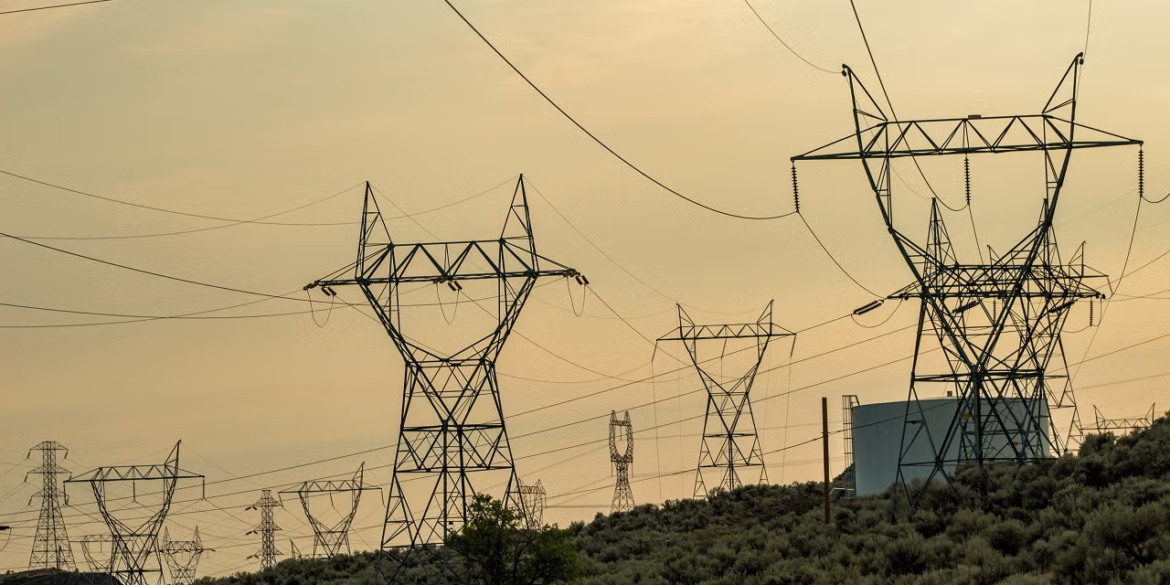
The AfDB also highlighted the fragmented nature of Angola’s national electricity grid, which remains divided into three disconnected systems serving the northern, central and southern regions.
This separation prevents surplus electricity generated in one region from being efficiently transferred to areas experiencing shortages, reducing the overall effectiveness of the country’s power infrastructure.
The report further points to low electrification levels, particularly in rural areas. It cites national electricity access of around 43% in one assessment, with coverage below 10% in rural communities.
The figures differ from the 51.1% access rate recorded for 2023, reflecting differences in the indicators or datasets used.
Technical and commercial losses are estimated at approximately 35%, while electricity bill collection rates remain below 80%.
According to the bank, these challenges undermine the financial sustainability of the sector and constrain utilities’ ability to reduce outages, improve service quality and extend electricity connections.
AfDB Reports US$2.9 Billion in Disbursements
The AfDB also announced that it had disbursed approximately US$2.9 billion in Angola over the previous decade to support development across several sectors, including energy, water, agriculture, sanitation, governance, youth, entrepreneurship and innovation.
The bank’s resident representative in Angola, Pietro Toigo, said the funding represented substantial growth in the institution’s engagement with the country over the past ten years.
The review assesses the bank’s development interventions across the Angolan economy, highlighting progress made while identifying persistent structural barriers to sustainable growth.
For Angola’s energy sector, the findings underscore the need to strengthen transmission and distribution infrastructure, improve grid connectivity, address financial imbalances and expand rural electrification to ensure that increased generation translates into broader electricity access and more reliable power supply.