Angola to Become Africa’s First Niobium Producer as $150 Million Niobonga Project Nears Production
Angola is preparing to enter the global niobium market, with the country’s first niobium mining project nearing completion in Quilengues, Huíla Province.
The Niobonga project, being developed at the Bonga and Tchivira Carbonatite Complex, is expected to position Angola as the third niobium-producing country in the world after Brazil and Canada, and the first in Africa.
Minister of Mineral Resources, Petroleum and Gas Diamantino Azevedo said niobium production is expected to begin in 2026, although the government has not provided a specific commissioning date.
He made the announcement after visiting the project in Quilengues to assess its level of implementation and readiness for operations.
$150 Million Project Targets Ferroniobium Production
The project is being developed by Chinese-owned Niobonga Comércio Geral under a mining concession covering the Bonga and Chivila area.
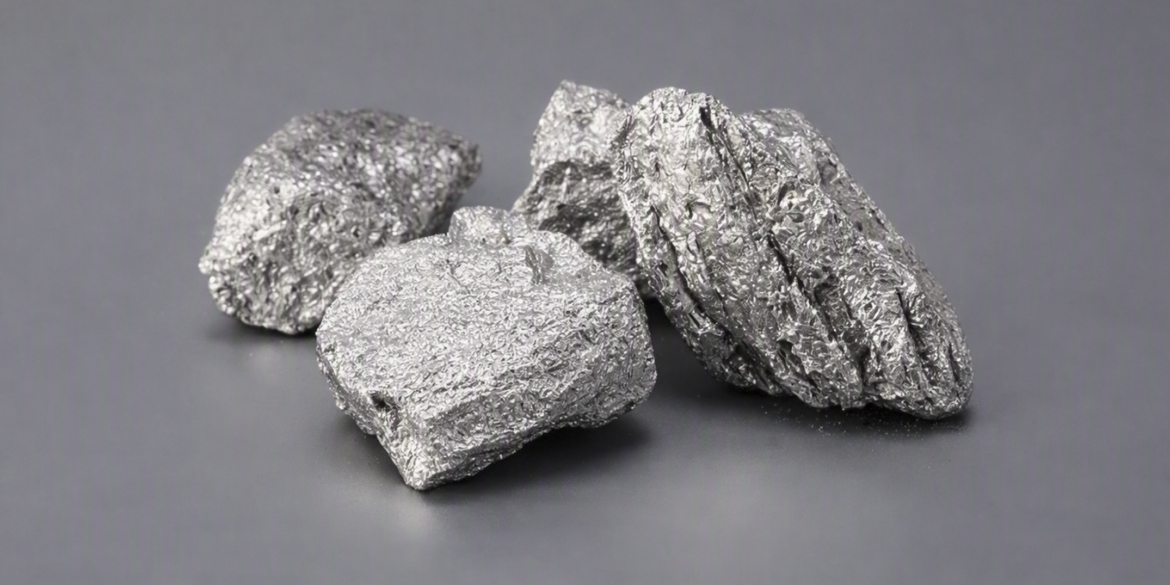
The company has invested approximately $150 million in the project, which is designed to produce about 8,000 tonnes of ferroniobium and 150,000 tonnes of sulphuric acid annually.
Government officials said the project has progressed through key stages of development, with mining, processing and supporting infrastructure already established at the site.
The National Agency of Mineral Resources said the minister’s inspection included the mining area, processing plant, laboratory, foundry, control room, tailings facilities and water infrastructure.
Angola Targets Strategic Mineral Market
Niobium is a strategic metal used primarily to strengthen steel and other metal alloys. Its properties make it valuable in applications including high-strength steel, automotive manufacturing, aerospace, turbine production, construction and other advanced industrial sectors.
The metal is considered strategically important because of its role in producing stronger and more durable materials while improving resistance to heat and corrosion.
Angola’s entry into the market would therefore add another strategic mineral to the country’s expanding mining portfolio as the government seeks to reduce its dependence on oil and diamonds and develop new sources of mineral revenue.
Minister Azevedo described niobium as an important mineral for the global economy and said Angola’s entry into production would mark a significant step in the country’s mining development.
Project Creates Jobs and Infrastructure
Beyond mineral production, the Niobonga project is already generating economic activity in Huíla.
According to the Angolan government, the project has created approximately 1,000 direct jobs and 200 indirect jobs, with a significant number of young people from the surrounding area employed in the operation.
The development has also included social and community infrastructure. This includes a 12-classroom school, housing associated with the resettlement process and water infrastructure designed to support both the mining operation and surrounding communities.
The project has involved the relocation and compensation of approximately 400 families affected by the development.
Local authorities reported that affected families received compensation of two million kwanzas each.
Energy Infrastructure Supports Development
Reliable power remains an important requirement for the project’s operations.
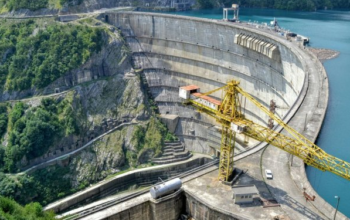
The government is working with the Ministry of Energy and Water to facilitate electricity supply from hydroelectric sources.
The planned power infrastructure is expected to support the mining operation while also extending electricity access to communities in the surrounding area.
Water infrastructure has similarly been developed as part of the project, including a reservoir constructed on the Hamba River. Government officials said the facility can support both the mining operation and nearby communities.
A New Chapter for Angola’s Mining Sector
The Niobonga project represents another step in Angola’s strategy to diversify its mineral production and develop greater value from resources beyond diamonds.
The government has increasingly identified minerals such as niobium, copper, gold, lithium, rare earth elements and iron ore as opportunities for expanding Angola’s mining sector and attracting international investment.
The National Agency of Mineral Resources has described the Niobonga project as capable of placing Angola among the world’s three largest niobium producers, following Brazil and Canada.
If the project enters production as planned, Angola will become Africa’s first niobium producer, opening a new avenue for mineral exports and potentially strengthening the country’s position in global supply chains for strategic and advanced industrial materials.
For Huíla, the project could also become an important economic hub, supporting employment, infrastructure development and additional opportunities for local suppliers and service companies as mining operations expand.