Uganda Energises 24 MWp Ituka Solar Plant as West Nile Gains New Grid Power
Uganda has taken a major step towards expanding renewable electricity supply in the West Nile region after the 24 MWp Ituka Solar PV project was energised and began feeding initial power into the national grid.
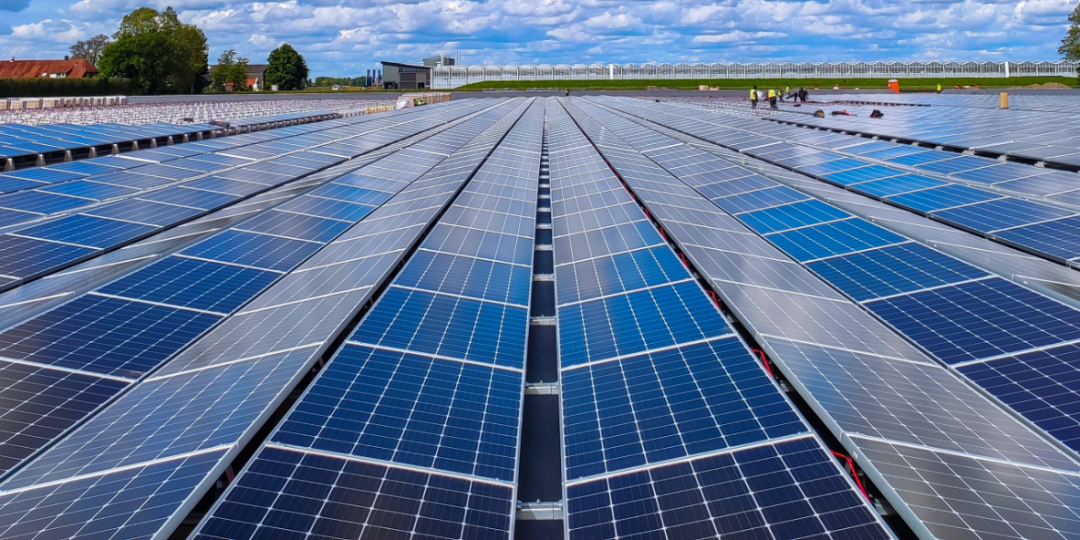
Developed by AMEA Power through its subsidiary Ituka West Nile Uganda Limited, the project is located in Madi Okollo District and is expected to become the first utility-scale, grid-connected solar plant in the West Nile region.
The project’s 25 MVA, 132/33 kV substation has now been energised, allowing electricity generated by the solar facility to be connected to Uganda’s grid.
The plant will evacuate power through the 132 kV Lira-Gulu-Nebbi-Arua transmission line, operated by the Uganda Electricity Transmission Company.
The development is expected to strengthen electricity supply in West Nile, a region that has been increasingly connected to Uganda’s national transmission network.
$19 million project
The solar project was financed with approximately $19 million from the Emerging Africa Infrastructure Fund (EAIF), while the African Trade and Investment Development Insurance (ATIDI) is supporting the project through its Regional Liquidity Support Facility.
The plant occupies approximately 52 hectares and was designed to generate about 53,940 MWh of electricity annually once fully operational.
Initial projections indicated that the facility could provide electricity equivalent to the needs of more than 192,000 households and help avoid approximately 26,600 tonnes of carbon emissions annually.
Boost for Uganda’s renewable energy capacity
The Ituka project adds to Uganda’s growing solar generation capacity as the country seeks to diversify its electricity mix and expand access to reliable power.
Its location in West Nile is particularly significant because it strengthens generation capacity closer to communities and businesses in the region while making use of recently expanded transmission infrastructure.
Uganda is also advancing additional solar developments, including planned utility-scale projects and solar plants integrated with battery storage, reflecting growing interest in renewable generation and grid flexibility.
The energisation of Ituka marks an important milestone for Uganda’s renewable energy sector, with the project now moving closer to full commercial operation and regular electricity generation.