Angola’s First New Refinery in 50 Years Starts Output in Cabinda, Reducing Fuel Imports and Strengthening Energy Security
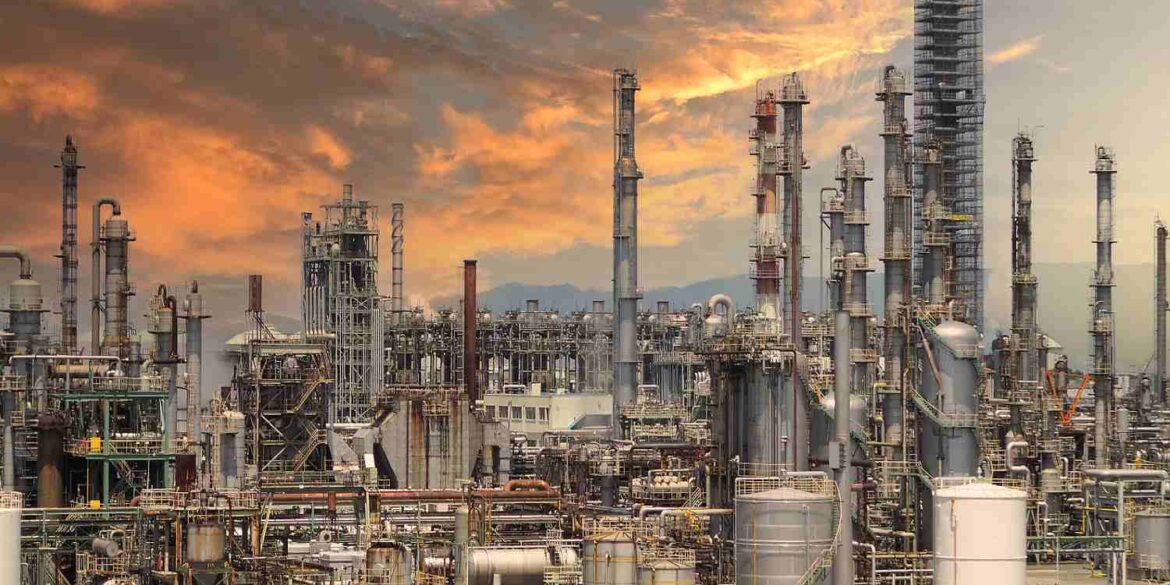
Angola’s Cabinda refinery, the country’s first new refinery since independence from Portugal 50 years ago, has officially begun supplying fuel to both domestic and international markets.
The launch comes at a time of heightened global fuel supply concerns linked to geopolitical tensions in the Middle East.
Before the Cabinda facility, Angola relied on a single refinery located in Luanda, operated by the state oil company Sonangol.
The new plant marks a significant step in expanding the country’s downstream oil capacity.
The Cabinda refinery has a processing capacity of 30,000 barrels of crude oil per day. It is currently supplying diesel for local consumption while exporting naphtha and heavy fuel oil to international markets.
The project is majority-owned by investment firm Gemcorp Capital, which holds a 90% stake.
Gemcorp founder and CEO Atanas Bostandjiev said the refinery was initially developed to strengthen Angola’s energy security.
He noted that recent geopolitical instability has further highlighted the importance of expanding domestic refining capacity.
Although relatively small in global terms, the refinery’s output could meet roughly 10% of Angola’s fuel demand.
By comparison, Nigeria’s Dangote Refinery has a capacity of around 650,000 barrels per day, making it one of the largest in the world.
The Cabinda project cost approximately $470 million to develop. Gemcorp estimates that a planned second phase expansion, which would double capacity to 60,000 barrels per day, could require an additional $700 million in investment.
A final investment decision on the expansion is expected before the end of the year.
For decades, many African oil-producing countries exported crude while importing refined petroleum products due to limited domestic refining capacity.
However, this pattern is gradually shifting as new projects in countries such as Angola and Nigeria begin to reduce reliance on imports and strengthen regional energy independence.