Dangote Links $15–$17 Billion East Africa Refinery Plan to Anti-Dumping Protection in Kenya and Region
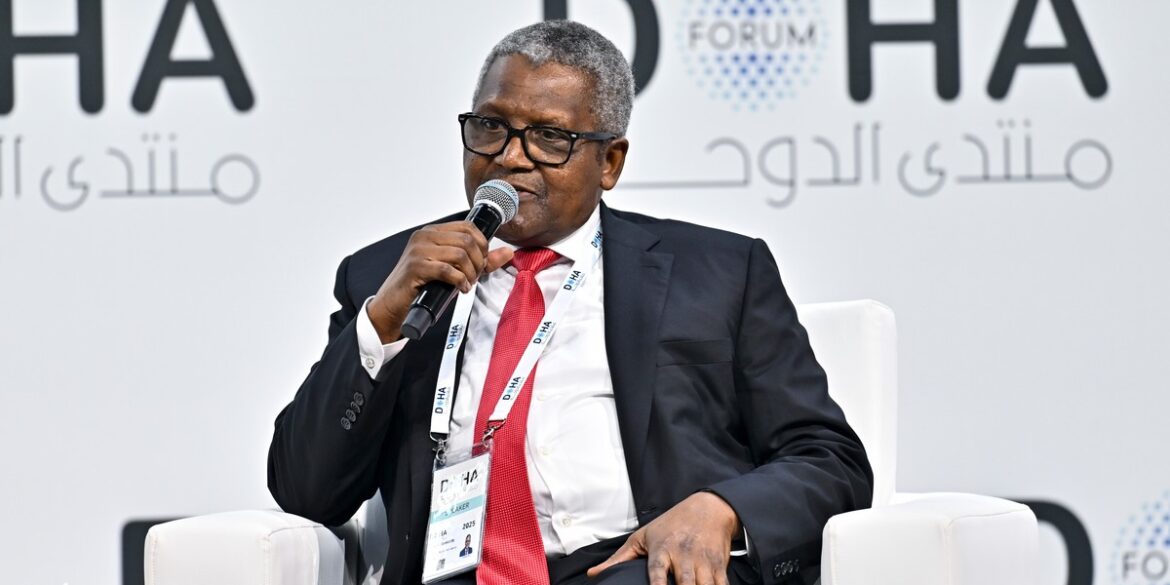
Aliko Dangote has indicated that he will only proceed with a proposed major oil refinery investment in East Africa if regional governments implement robust anti-dumping measures to protect local refining industries from cheaper imported fuel.
The Nigerian billionaire is exploring the development of a large-scale refinery in Kenya, potentially modeled on his existing 650,000-barrels-per-day facility in Nigeria, currently the world’s largest single-train refinery.
Dangote has repeatedly warned that without protective policies, Africa risks becoming a “dumping ground” for refined petroleum products produced abroad and sold at artificially low prices.
Proposed $15–$17 Billion Refinery in Kenya
The planned East African project, estimated to cost between $15 billion and $17 billion, is being considered for construction in Mombasa, Kenya.
The port’s deep-water capacity and strategic location are seen as key advantages over competing sites such as Tanga in Tanzania.
Kenya’s relatively large and growing fuel demand also makes it an attractive market for large-scale refining investment.
Lessons from Nigeria’s Refining Sector
Dangote has drawn on his experience in Nigeria, where his flagship refinery has faced operational and competitive challenges linked to fuel import practices and blending activities.
According to his company, these market dynamics have distorted competition and weakened incentives for domestic refining investment.
He argues that similar risks could undermine any new refinery project in East Africa unless clear regulatory protections are established.
Understanding Fuel “Dumping”
Dumping in the petroleum sector refers to the sale of imported refined fuel at artificially low prices, often due to subsidies, overcapacity in global markets, or pricing distortions.
While this can temporarily reduce fuel prices for consumers, it places significant pressure on domestic refineries, which must recover high capital and operating costs within local markets.
When imported fuel is consistently cheaper, local refineries may struggle to remain competitive, leading to reduced investment, lower output, or even shutdowns.
This has contributed to Africa’s continued dependence on imported refined petroleum products despite its large crude oil reserves.
Investment Conditional on Policy Certainty
Dangote emphasized that regulatory stability and protection against dumping would be decisive factors in whether the East African refinery proceeds.
“There is no refinery in the world that can survive without that protection,” he said, adding that the project could begin this year if a clear policy agreement is reached with governments.
He has consistently framed such investments as part of Africa’s broader industrialization agenda, stressing the need for the continent to shift from exporting raw commodities to producing value-added goods domestically.
According to Dangote, supportive policy frameworks will be essential to unlocking large-scale industrial projects of this nature.