Nigeria Clears $10.3B Eni Offshore Oil Project to Develop Zabazaba and Etan Fields, Targeting 150,000 bpd by 2029
Nigeria has approved a $10.3 billion investment plan by Italian energy company Eni to develop deepwater oil projects offshore, paving the way for long-delayed production at the Zabazaba and Etan fields.
The approval was confirmed by the Nigerian Upstream Petroleum Regulatory Commission (NUPRC), which oversees upstream oil and gas activities in the country. The project is one of Nigeria’s largest upstream investments in recent years.
Major offshore development
The investment will focus on the Zabazaba and Etan fields located in offshore OPL 245, a block that has faced years of legal and regulatory disputes before restructuring and renewed government backing enabled development to proceed.
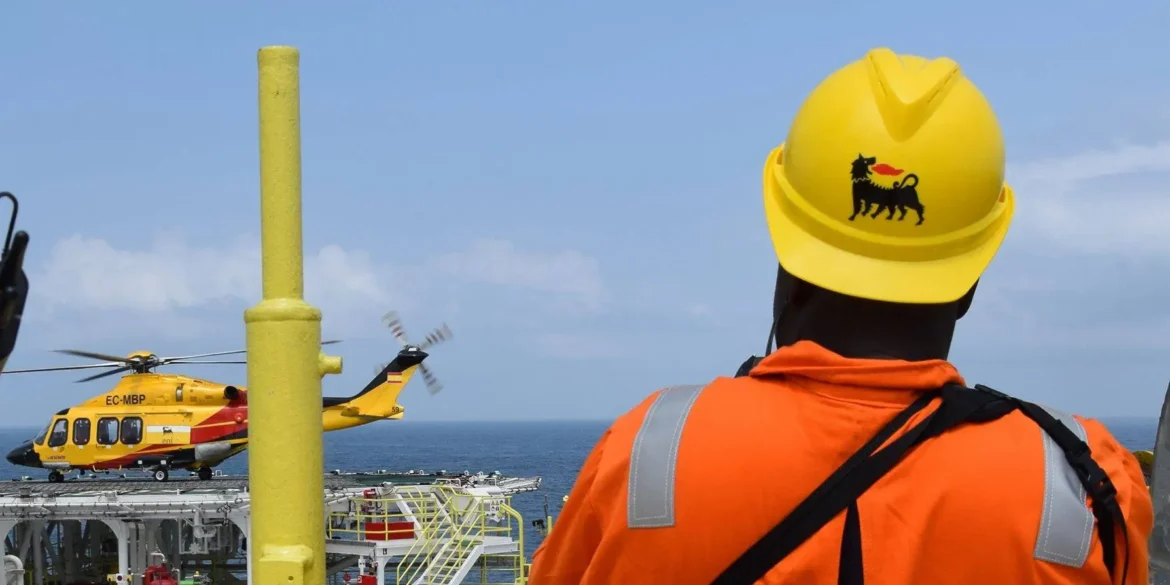
Plans include the installation of a floating production, storage and offloading (FPSO) vessel, supported by subsea infrastructure to unlock deepwater reserves.
Industry estimates suggest the combined fields could yield around 560 million barrels of oil equivalent, with peak production expected at about 150,000 barrels per day. First oil is projected around 2029.
End of long-running delays
The approval marks a turning point for OPL 245, one of Nigeria’s most disputed offshore assets.
The block has remained largely inactive for nearly three decades due to legal challenges across multiple jurisdictions.
Nigeria recently restructured the licence into four petroleum mining and prospecting leases, involving Eni and Shell, which helped resolve the long-standing impasse and reopen the block to development.
Located in the deepwater Niger Delta, the asset is estimated to hold up to 9 billion barrels of oil equivalent, making it one of West Africa’s largest undeveloped discoveries.
Boosting production and investment
The project aligns with Nigeria’s broader strategy to increase crude output and attract foreign investment into offshore developments, which are considered more secure than onshore fields affected by theft and operational disruptions.
The government aims to raise production toward 1.8 million barrels per day in the near term, with longer-term targets of up to 3 million barrels per day by 2030.
The approval is also expected to strengthen investor confidence as Nigeria continues to court new offshore investment, with several international oil companies reportedly considering fresh commitments in upcoming licensing rounds.
With regulatory approval secured, focus now shifts to financing, contractor selection, and execution timelines for the Zabazaba and Etan development.