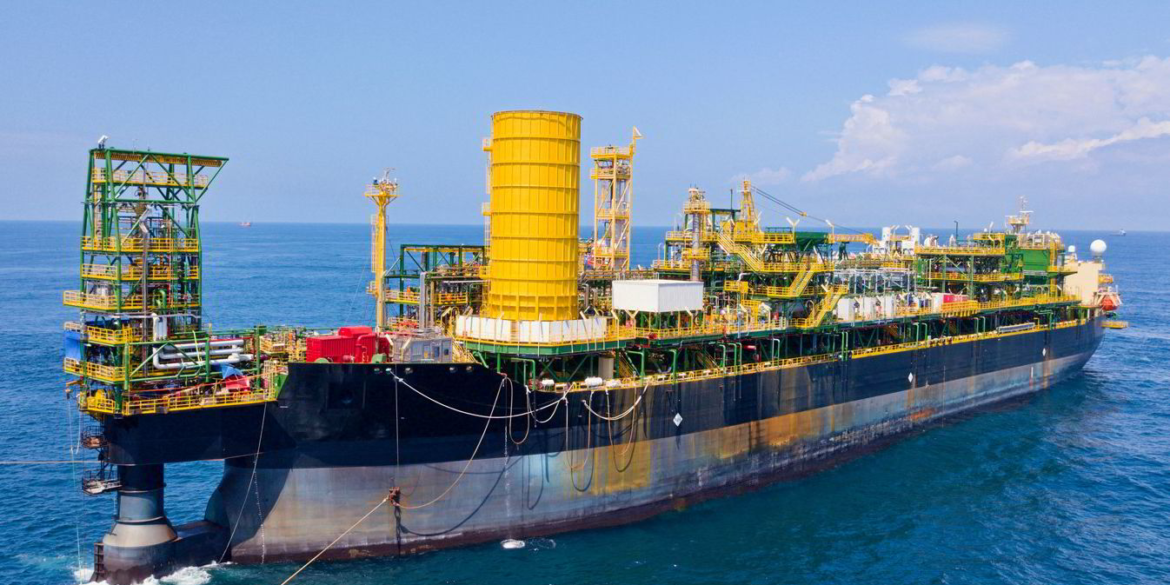
Namibia Oil and Gas Sector Attracts N$74.4 Billion FDI as Bank of Namibia Urges First-Oil Readiness
Namibia’s oil and gas sector attracted about N$74.4 billion in foreign direct investment between 2021 and 2025, accounting for roughly 56% of the country’s total FDI inflows, according to the Bank of Namibia (BoN).
The figures were presented by BoN Director of Research and Financial Sector Development Dr Emma Haiyambo at the central bank’s 27th Annual Symposium as part of an assessment of Namibia’s readiness for first oil.
Oil and gas exploration accounted for an average 30% of Namibia’s gross fixed capital formation between 2022 and 2025, highlighting the sector’s growing contribution to investment despite the country not yet producing commercial oil.
However, much of the spending has flowed to foreign suppliers. The sector generated about N$60.3 billion in services imports and N$7.7 billion in goods imports since 2021, bringing total oil and gas-related imports to approximately N$68 billion.
BoN identified opportunities for Namibian businesses in logistics, warehousing, customs clearance, waste management, oilfield support, consulting, procurement and downstream fuel distribution.
The assessment also highlighted Namibia’s domestic financial capacity, with non-bank financial institution assets reaching N$552.8 billion in 2025.
BoN said these resources could support supplier finance and the development of local businesses, while cautioning that petroleum investments should not automatically be regarded as low-risk.
BoN said Namibia still needed to strengthen its legal and institutional framework ahead of first oil. Key priorities include advancing petroleum legislation, clarifying institutional mandates, improving enforcement of local-content requirements and addressing skills shortages.
The Bank also identified four major risks: delays to production, fiscal pressures, Dutch disease and environmental impacts.
It warned that oil discoveries should not be treated as a guarantee of future production and advised against making public spending commitments based on fixed production dates.
BoN further called for stronger public communication on petroleum developments and recommended strengthening the Welwitschia Fund, Namibia’s sovereign wealth fund, to prepare for future petroleum revenues.
The assessment said Namibia had made significant progress and was comparatively well positioned to manage future oil and gas revenues but stressed that key institutions and regulations needed to be properly established before final investment decisions to avoid costly legal and regulatory changes.