Libya Signs $20 Billion Deal with TotalEnergies and ConocoPhillips to Boost Oil Production by 850,000 BPD
Libya, Africa’s largest holder of proven oil reserves, has secured a landmark $20 billion investment from US and French energy giants in a 25-year agreement aimed at revitalizing its oil sector and potentially positioning the country as Africa’s top oil producer.
The deal, executed through Waha Oil Company, a subsidiary of Libya’s state-run National Oil Corporation (NOC), involves TotalEnergies of France and ConocoPhillips of the US.
Both companies will provide capital and technical expertise to expand production and modernize Libya’s aging oil infrastructure.
The agreement could increase Libya’s output by up to 850,000 barrels per day (bpd). Prime Minister Abdulhamid al-Dbeibah said the Waha deal alone could generate net revenues exceeding $376 billion, while also strengthening Libya’s ties with major international energy firms.
Could Libya Overtake Nigeria?
Currently, Nigeria is Africa’s largest oil producer, averaging 1.6–1.8 million bpd, while Libya’s output hovers near 1.1 million bpd but has historically been highly volatile.
If the Waha deal successfully adds 850,000 bpd, Libya could theoretically rival Nigeria, especially when combined with restored operations at other NOC-run fields and new foreign-backed projects.
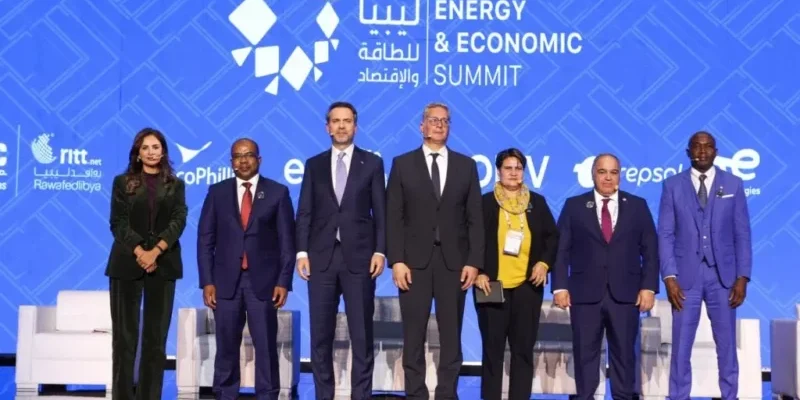
The Libyan government also signed a memorandum of understanding with US oil major Chevron and a cooperation agreement with Egypt’s Ministry of Petroleum during the Libya Energy and Economy Summit in Tripoli.
Prime Minister al-Dbeibah described the agreements as evidence of Libya’s growing engagement with “its largest and most influential international partners in the global energy sector.”
The influx of capital is expected to modernize infrastructure, improve extraction efficiency, and attract additional investment — all crucial for sustained production growth.
Challenges Ahead
However, surpassing Nigeria is far from guaranteed. Libya’s oil sector remains vulnerable to political instability, armed blockades, and infrastructure sabotage, which have historically caused production swings from below 500,000 bpd to over 1.2 million bpd.
In contrast, Nigeria benefits from a more stable regulatory framework and deepwater offshore fields that are less prone to disruption.
Security risks, ongoing rivalries between eastern and western authorities, and fluctuations in global oil prices could all limit Libya’s ability to maintain consistent output at levels high enough to surpass Nigeria.
While the $20 billion, 25-year deal represents a historic opportunity to restore Libya’s oil prominence, experts caution that structural, political, and operational challenges will determine whether the North African nation can truly claim the title of Africa’s leading oil producer.