
Angola’s Future: High-Tech Diamonds, Digital Oilfields, and Renewable Power
Angola is reshaping its economic identity through a high-tech transformation of its diamond and oil & gas industries.
Long reliant on raw exports, the country is now investing in artificial intelligence, blockchain, and clean energy to create sustainable, transparent, and efficient resource sectors.
The Saurimo Diamond Development Hub in Lunda Sul province is a centerpiece of Angola’s diamond renaissance.
The complex integrates polishing factories, a hybrid power plant, and vocational schools run by ENDIAMA, the state-owned diamond firm. Its goal: train Angolan specialists in precision cutting, grading, and analysis, ensuring more value stays in the country.
“This is not just about diamonds—it’s about building a sustainable, tech-savvy future for our people,” an ENDIAMA spokesperson said at the Angola International Diamond Conference.
The PLANAGEO initiative, Angola’s national geological survey, has identified 43,000 km² of new concessions, including kimberlite deposits in Bié and Cuanza Sul.
Using drones, satellite imaging, and AI mineral modeling, exploration is now faster and less disruptive than traditional methods.
Global miners such as De Beers, Rio Tinto, and Lucapa are deploying remote sensing, automated sorting systems, and blockchain traceability to raise efficiency and ensure ethical sourcing.
Blockchain is especially critical, helping Angola assure global buyers that its stones are conflict-free and traceable.
The government is advancing a national diamond bourse, a digital trading platform designed to curb illicit sales and boost transparency.
It has also set a target to polish 20% of Angola’s diamonds domestically, a major increase from current levels.
New discoveries like the Luele Mine and the Quitúbia kimberlite deposit are drawing investment, securing Angola’s bid to become the world’s third-largest diamond producer in the coming decade.
In oil and gas, Angola is modernizing exploration through digital tools. At Block 32, Shearwater Geoservices is applying ocean-bottom node (OBN) seismic technology for ultra-clear reservoir imaging. Meanwhile, TGS has reprocessed 3D seismic data for Block 16, using machine learning to refine drilling targets and reduce environmental risks.
Onshore, the Cabinda Refinery showcases Angola’s new approach to downstream operations. Its modular units and IoT monitoring systems allow for real-time efficiency, minimizing emissions.
The refinery is set to double capacity to 60,000 barrels/day by 2026, strengthening domestic fuel supply.
Gas is also central to Angola’s future. The Quiluma and Maboqueiro project, the country’s first non-associated gas field, is halfway complete.
With AI-controlled flow systems and automated offshore platforms, it will supply 330 million scf/day, feeding LNG exports and fertilizer production.
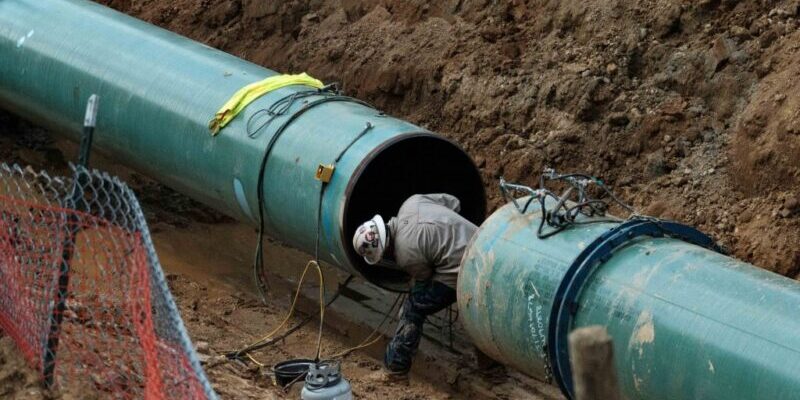
Clean energy is moving up the agenda. The Quilemba Solar Project, a 45 MW solar plant co-developed by Sonangol and TotalEnergies, begins operation later this year.
In parallel, Angola is preparing a 600 MW green hydrogen project, targeting annual production of 400,000 tons.
A final investment decision is expected soon, positioning the country as a hydrogen pioneer in Africa.
Angola’s energy reforms extend into transport. The Lobito Corridor Railway Project, backed by the Africa Finance Corporation, is adopting smart cargo tracking and blockchain customs clearance.
The corridor will link Angola’s Atlantic coast with mineral-rich regions of Zambia and the DRC, turning Angola into a regional logistics hub.
“We’re building an energy ecosystem that’s smarter, cleaner, and more resilient,” said a Sonangol engineer at the Angola Oil & Gas Technology Forum.
Today, diamonds generate 90% of Angola’s mining revenues, while oil accounts for over 30% of GDP. Both sectors are under pressure to modernize, diversify, and prove sustainable.
The dual transformation—AI-enabled exploration in diamonds, digital oilfields in hydrocarbons, and rapid adoption of renewables—shows Angola is not content to remain a traditional exporter.
Instead, the country is redefining its role as a transparent, technologically advanced resource economy.
If successful, Angola could set a precedent for how resource-rich nations can align economic growth with innovation, sustainability, and ethical standards.