Angola to Connect Huila and Namibe to National Power Grid with Hydroelectric Energy by Year End
The provinces of Huila and Namibe are set to be connected to Angola’s national electricity grid using hydroelectric power by the end of 2025.
The Gove–Matala power transmission line project, along with key substations, is currently 80 percent complete and expected to be finalized by October, according to a statement from the Ministry of Energy and Water.
Stretching over 213 kilometers, the new transmission line will carry power from the Gove Hydroelectric Plant in Huambo to the Matala Sectioning Station in Huila.
The infrastructure is designed to transport approximately 682 MVA (Megavolt-Amperes) of electricity.
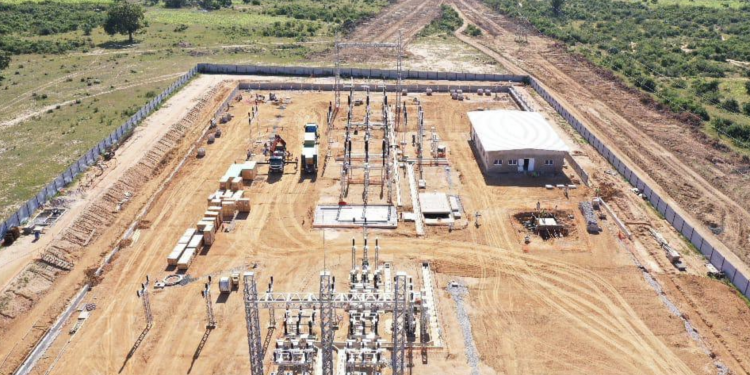
In addition to the transmission line, the project includes the construction of key substations—most notably the Lubango Leste substation, which will supply consistent electricity to Namibe province, including powering the railway substation.
Described by the ministry as “strategically important for the country,” the project will directly benefit municipalities such as Matala, Quipungo, Capelongo, Lubango, Humpata, Chibia, Bibala, and Moçâmedes. In total, over 350,000 families will gain improved access to reliable power.
In parallel, a second major energy infrastructure initiative is also underway in Angola’s southern region.
A 343-kilometer transmission line is being constructed to connect Belem do Dango (Huambo) to Nombungo (Lubango), including the expansion of the Belem do Dango substation and the development of new electrical facilities in Nombungo. This second project is expected to be completed by early 2027.
Once operational, the expanded grid will enhance power reliability and quality for Huila province and reach nearly one million consumers.
“These two projects will not only bring greater dignity and improved living standards to the residents of southern Angola, but they will also stimulate economic growth,” the ministry stated.
“By creating jobs and powering the region’s industrial zones—particularly the extractive mining sector—they are key to the development of the national economy.”