
East African Crude Oil Pipeline Set to Launch Uganda’s First Oil Exports, Boosting Regional Energy Trade
Uganda and Tanzania are preparing to ship their first crude oil through the $5 billion East African Crude Oil Pipeline (EACOP) as early as October 2026, marking a major milestone for the region’s energy sector.
The pipeline will provide Uganda with its long-awaited gateway to global oil markets while strengthening Tanzania’s role as a regional energy transit hub.
The 1,443-kilometre EACOP runs from Uganda’s Albertine Graben to the Indian Ocean port of Tanga in Tanzania. As of December 2025, the project was approximately 75% complete, with all pipeline segments laid and more than $3 billion invested. Officials describe the pipeline as central to Uganda’s crude oil export strategy and a driver of long-term economic transformation.
Final Phase of Construction Underway
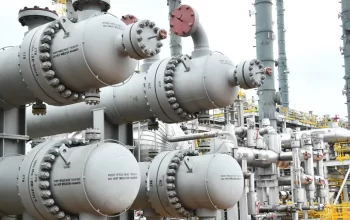
Energy ministers from both countries recently reviewed construction progress, including above-ground installations and the marine export terminal at Tanga. Uganda’s Energy Minister Ruth Nankabirwa and Tanzania’s Energy Minister Deogratius Ndejembi emphasized that construction activities have reached peak levels, with start-up readiness targeted for July 31, 2026.
Once operational, EACOP will be the world’s longest heated crude oil pipeline, transporting Uganda’s waxy crude at approximately 50 degrees Celsius. At full capacity, the pipeline is expected to carry up to 230,000 barrels per day to Tanga for export.
The pipeline is vital for unlocking Uganda’s estimated 6.5 billion barrels of crude reserves and establishing the country as a new oil producer in Africa.
Economic Benefits for the Region
The pipeline will also bring significant benefits to Tanzania. The project has already generated substantial revenue through development levies, taxes, and construction-related fees, while creating jobs for local communities around the Chongoleani terminal.
Approximately 1,200 Tanzanians have been employed so far, reinforcing the country’s role as a regional energy hub.
Environmental Measures and Long-Term Outlook
Despite criticism from environmental and human rights groups, project developers—including TotalEnergies and China National Offshore Oil Company (CNOOC)—have introduced measures to manage emissions, including plans to power much of the pipeline with solar energy.
EACOP is expected to boost economic growth, create jobs, strengthen regional trade, and support infrastructure-led development across East Africa.
For Uganda and Tanzania, the pipeline represents a transformative step toward greater energy integration and industrial expansion in the region.