Ghana’s Oil Sector Gains Momentum with Shell’s Pecan Bid and Mahama’s Infrastructure Drive
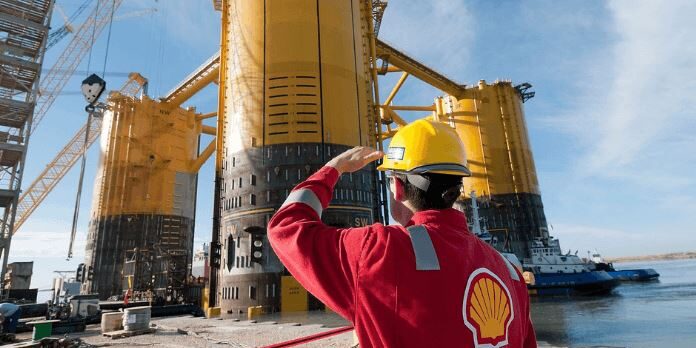
President John Mahama has announced that global energy giant Shell has submitted a formal bid to participate in the development of Ghana’s Pecan Oil Field, marking a significant step forward in revitalizing the country’s oil and gas sector.
The proposal is currently under review by key stakeholders. If approved, it could initiate the next phase of development for the offshore field, located in the Deepwater Tano/Cape Three Points block.
The update was shared during a meeting with the Public Interest and Accountability Committee (PIAC), chaired by Constantine Kudzedzi.
To further assess project progress and strategic direction, President Mahama also held separate discussions with African Finance Corporation and Lukoil, existing partners in the Pecan project.
Calling the Pecan field a potential “game changer,” Mahama expressed optimism about its capacity to significantly increase Ghana’s oil output within the next three to four years, bolstering energy security and economic growth.
Although investor confidence in the upstream sector had waned in recent years, the administration has made targeted efforts to restore trust and attract new investment.
These initiatives are already yielding results: Eni, a major operator in Ghana, has resumed full operations and is expanding its investments in the Sankofa oil fields and surrounding areas, collaborating with financial partners to ramp up production.
President Mahama underscored the importance of converting oil wealth into tangible benefits for citizens through his Big Push initiative—a $10 billion development plan aimed at improving roads, education, healthcare, and agriculture over five years.
The initiative proposes investing $2 billion annually, funded primarily by oil revenues through the Annual Budget Funding Amount (ABFA) and supplemented by mineral royalties, especially from gold.
He assured PIAC that every dollar allocated would be tracked and transparently managed. To enhance accountability, Mahama proposed disaggregating revenue streams to allow more granular tracking of spending, and suggested bringing all natural resource revenue oversight under PIAC to further strengthen transparency frameworks.
“We must ensure that every resource extracted from Ghanaian soil serves the people directly—whether through infrastructure, jobs, or better services,” Mahama stated.
The developments around Shell’s bid and the broader policy direction signal renewed energy in Ghana’s oil and gas sector, with the potential to reshape both the economy and national infrastructure in the coming years.