Senegal Relies on Nigerian Crude Despite Rising Local Oil Output — Dakar Refinery’s Supply Challenges Explained
Senegal has emerged as a significant importer of Nigerian crude, highlighting a paradox in Dakar’s oil sector.
Despite joining Africa’s league of oil-producing nations in 2024, Senegal still struggles to process its own crude oil efficiently.
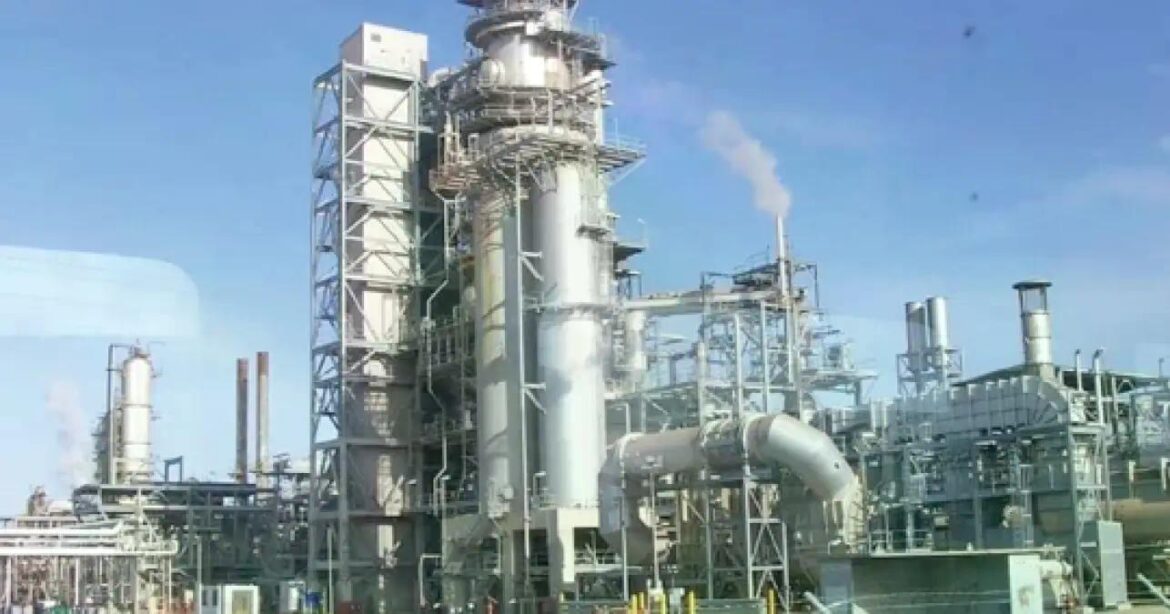
Industry data from energy analytics firm Kpler reveals that Senegal’s 30,000-barrel-per-day (kbd) Dakar Refinery is running predominantly on Nigeria’s Erha crude. Shipments have averaged about 30 kbd in recent months.
The refinery is configured to process lighter, sweeter crudes, such as Erha (36° API, 0.2% sulfur).
Senegal began producing around 100,000 barrels per day from the Sangomar oil field last year. However, Sangomar’s medium sour crude (31° API, 1.0% sulfur) is incompatible with the Dakar refinery without blending.
As a result, nearly all Sangomar crude is exported to Europe, with Spain, Italy, and the Netherlands as primary buyers.
Continued Dependence on Imports
Senegal continues to import significant volumes of refined products to meet domestic demand. Between 2024 and 2025, imports ranged from 90,000 to 100,000 barrels per day, with about 50–60% sourced from Russia, primarily diesel, gasoil, and fuel oil.
“To meet domestic fuel needs, Senegal heavily relies on refined imports, particularly from Russia,” Kpler noted.
This creates a supply paradox: while Senegal exports its own crude, it depends on Nigeria for refinery feedstock and Russia for refined fuels.
Kpler forecasts Senegal’s crude production will remain steady at around 100 kbd in the coming years, as Phase 2 of Sangomar, involving 33 additional wells, is still under review with a potential start in 2027.
Until then, Nigerian Erha crude and Russian refined products will remain critical to Senegal’s energy balance.
A Wider African Refining Challenge
Senegal is not alone in facing refining mismatches. Nigeria’s refineries have long struggled with supply and efficiency issues.
The Dangote Refinery recently revealed it sources crude from the United States to sustain operations, underlining systemic refining challenges across Africa.
The Dakar refinery’s reliance on Nigerian crude reflects a broader continental dilemma: Africa produces abundant crude oil but continues to depend on imports to meet domestic refining needs.