Senegal Announces $5B SAR 2.0 Refinery Project to Achieve Energy Self-Sufficiency by 2029
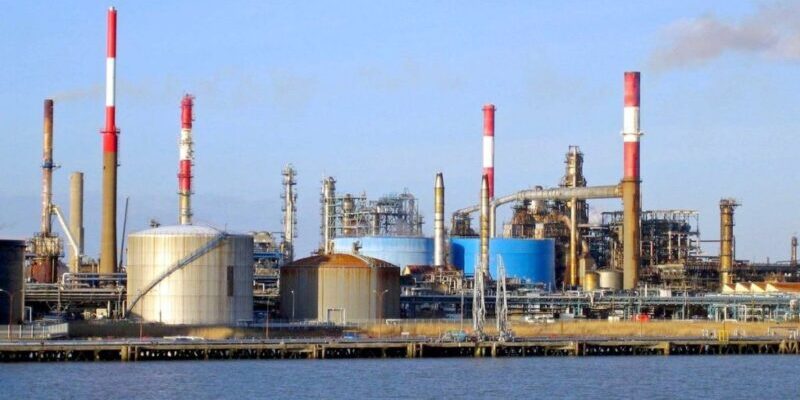
Senegal is advancing plans to build a second oil refinery, a $5 billion project aimed at meeting rising domestic fuel demand, reducing reliance on imports, and positioning the country as a potential regional exporter.
The proposed SAR 2.0 refinery would add 4 million tons of refining capacity per year by 2029. The project has attracted financing interest from China, Turkey, and South Korea, and construction could begin as early as next year, according to Mamadou Abib Diop, CEO of Société Africaine de Raffinage (SAR).
“This gap we will cover with a project named SAR 2.0, which will add a second refinery site with 4 million tons of annual processing capacity,” Diop said.
Supply and Capacity
The refinery will primarily be supplied with crude from Senegal’s Sangomar oil and gas field, operated by Australia’s Woodside Energy, with state-owned Petrosen holding a minority stake. The field began production in 2024, generating 34.5 million barrels annually, equivalent to about 4.6 million tons.
Currently, SAR processes approximately 1.5 million tons per year, or 30,000 barrels per day, leaving a shortfall covered by imported diesel, petrol, kerosene, and butane. In February 2025, SAR processed 650,000 barrels (about 90,000 tons) from Sangomar, marking Senegal’s first local production of refined fuels.
The SAR 2.0 project aims to bridge this gap, achieve energy self-sufficiency, and create surplus capacity for regional exports.
Strategic Context
The project is part of a broader West African refining expansion, following Nigeria’s Dangote Refinery, which recently began operations with a capacity of 650,000 barrels per day.
Like Dangote, SAR 2.0 could help stabilize domestic fuel markets, reduce costly imports, and increase Senegal’s presence in the regional energy sector.
“A lot of investors are showing interest in financing these projects,” Diop noted, highlighting growing international support for Senegal’s energy development initiatives.
The government has not yet finalized the location of the new refinery or whether it will take an equity stake. Once operational, SAR 2.0 is expected to strengthen Senegal’s energy security, support economic growth, and enhance the country’s role as a fuel supplier in West Africa.