Pensana Boosts Longonjo Rare Earths Project with Key Milestone, Driving Jobs and Economic Growth in Angola
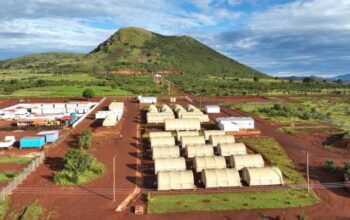
Rare earths developer Pensana has announced the successful completion of the expanded processing plant area at its Longonjo rare earths refinery project in Angola—marking a critical step forward in accelerating construction activities.
Local stakeholders have shown strong support for the project, recognizing its potential to bring long-term economic growth and social development to the region.
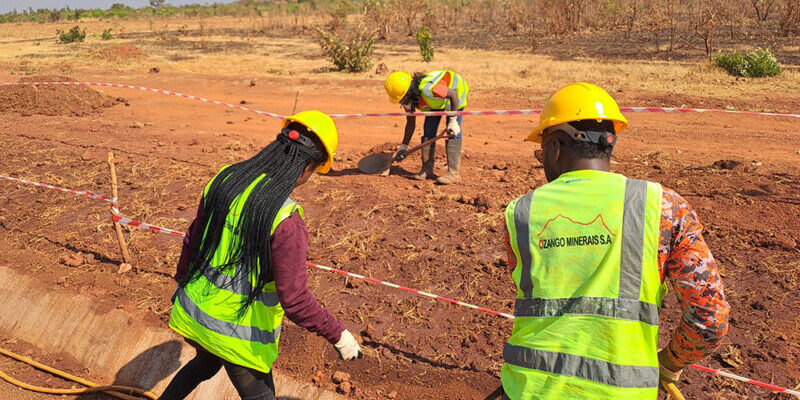
According to Pensana, the development has already generated significant local employment and strengthened partnerships with Angolan suppliers and communities.
“Completing the expanded site is a major milestone for us. It demonstrates the commitment of our team and the steadfast support of our local partners,” said Geraldine Tchimbali, Country Manager for Pensana. “There’s a real sense of momentum on the ground, and stakeholder excitement is tangible.”
Tchimbali further emphasized that the project is gaining considerable attention from both regional and national authorities, positioning it as a flagship investment in Angola’s evolving industrial landscape.
The Longonjo rare earths deposit is strategically located near the Lobito rail corridor, approximately 60 kilometers west of the provincial capital, Huambo, in central Angola.
Currently under development, the project includes:
An open-pit mine
Concentrator and chemical recovery plants
Tailings storage facility (compliant with the Global Industry Standard on Tailings Management)
Process water and bulk power supply
Supporting mine infrastructure, including workshops, offices, and accommodation facilities
Pensana plans to extract, concentrate, calcine, and chemically refine the naturally occurring free-dig material on site to produce a high-value mixed rare earth carbonate (MREC).
The MREC will then be transported 273 kilometers by rail to the Atlantic port of Lobito for export.
In its initial phase, the Longonjo project is expected to produce 20,000 tonnes per year of MREC, with plans to double capacity to 40,000 tonnes per year in future expansions.