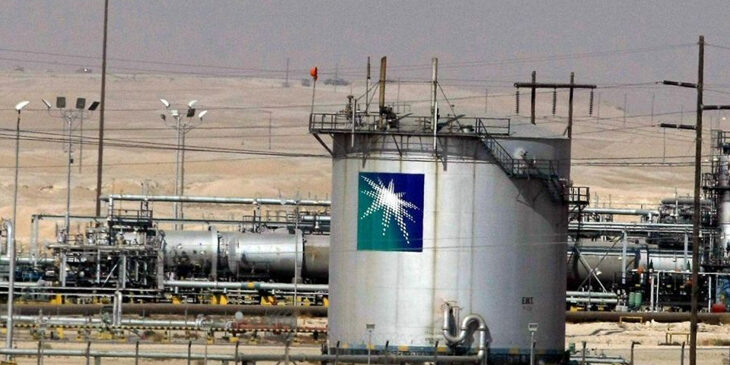
Nigeria and Saudi oil giant Aramco are struggling to finalize a proposed $5 billion oil-backed loan, as declining global crude prices raise concerns among potential financiers and reduce the appeal of the deal.
If completed, the agreement would represent Nigeria’s largest oil-backed borrowing to date and Aramco’s most significant financial engagement in the country.
However, sources familiar with the matter say the falling price of oil may lower the deal’s overall value, complicating negotiations and increasing the amount of oil Nigeria would need to pledge as collateral.
The loan was first discussed during a November 2024 meeting between President Bola Tinubu and Saudi Crown Prince Mohammed bin Salman at the Saudi-African Summit, according to two sources close to the talks. Until now, no public details had been shared regarding the proposal or its current progress.
Negotiations have since slowed, primarily due to financial pressures stemming from oil market volatility.
Recent strategic shifts by OPEC+—prioritizing market share over production limits—have driven Brent crude prices down nearly 20%, from over $82 per barrel in January to around $65 in mid-2025.
With crude prices lower, Nigeria would need to pledge more barrels of oil to secure the same loan amount, placing further strain on a country already struggling with production shortfalls and limited investment in its oil sector.
The proposed loan with Aramco forms part of President Tinubu’s broader effort to secure $21.5 billion in foreign borrowing to support Nigeria’s budget and economic recovery.
However, concerns from banks expected to co-finance the deal with Aramco are mounting. Specifically, there is skepticism about Nigeria’s ability to consistently deliver the volume of oil required under the loan terms.
Years of underinvestment, infrastructure challenges, and oil theft have eroded Nigeria’s production capacity, making it harder for the country to meet both domestic needs and international commitments.
While both sides have yet to publicly comment, the future of the $5 billion oil-backed loan remains uncertain.
Falling crude prices, market volatility, and Nigeria’s ongoing production constraints continue to pose significant obstacles.
If the deal collapses or is significantly scaled back, it could limit Nigeria’s options for plugging fiscal gaps and financing critical infrastructure and development programs.
At the same time, it would represent a missed opportunity for Aramco to expand its financial footprint in one of Africa’s largest oil-producing nations.